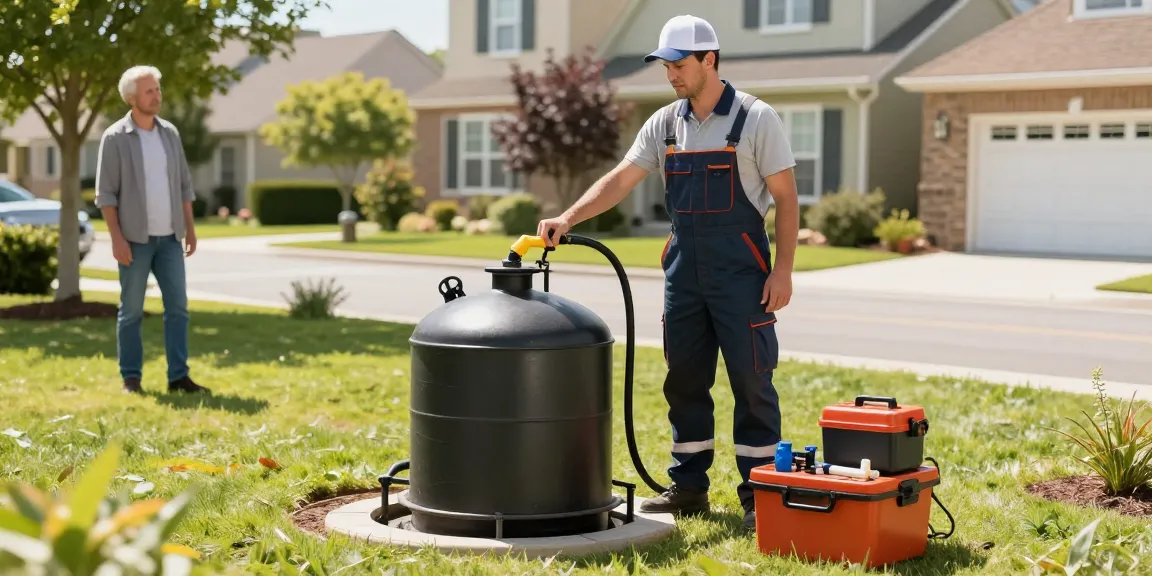
Understanding Septic Pumping Services
Septic pumping is an essential service that homeowners and property managers need to ensure the longevity and proper function of their septic systems. When searching for reliable septic pumping providers in your area, it’s crucial to understand the basics of the services involved and to evaluate providers meticulously.
What is Septic Pumping?
Septic pumping is the process of removing waste and sludge from septic tanks to prevent system failure. Typically, septic tanks should be pumped every 3 to 5 years, although this may vary depending on the size of the tank and the household’s water usage. During the pumping process, a certified technician uses a vacuum truck to extract the waste, ensuring that the tank is emptied sufficiently. In doing so, the technician also inspects the tank for signs of damage or needed repairs.
Why Regular Septic Pumping is Important
Regular septic pumping is vital to maintaining a functioning septic system. Neglecting this service can lead to costly repairs, backups, and health hazards due to untreated sewage. By scheduling routine pumpings, homeowners can avoid these issues and extend the life of their systems, thus ensuring their property remains safe and functional. Moreover, regular maintenance can help preserve property value and adhere to local regulations regarding wastewater management.
Typical Septic Pumping Process Explained
Understanding the typical septic pumping process can prepare homeowners for what to expect. The process typically involves the following steps:
- Schedule an Appointment: Contact a licensed septic service provider to schedule a visit.
- Inspection: The technician will inspect the tank and the area surrounding it, looking for any signs of trouble.
- Pumping: A vacuum truck will pump out the contents of the tank, removing sludge and scum layers.
- Post-Pumping Check: After pumping, the technician may perform additional checks, such as inspecting the tank’s baffles and lid.
- Report and Recommendations: Finally, the service provider will give a report and recommend any necessary repairs or maintenance.
Choosing the Right Septic Pumping Provider
Choosing the right septic pumping provider is crucial for ensuring quality service and compliance with local regulations. Homeowners should carefully assess potential providers based on several criteria to avoid common pitfalls.
Key Factors to Consider When Selecting a Local Provider
When searching for a septic pumping company, key factors include the provider’s reputation, range of services offered, response time for emergencies, and their adherence to safety standards. It is advisable to inquire about their experience, especially with systems similar to yours, as this can greatly influence service quality.
Check Credentials: Licensing and Insurance
Every reputable septic pumping provider should be licensed and insured. This not only protects you as a homeowner in case of damages but also guarantees that the provider is knowledgeable about local regulations and safety procedures. Always ask to see certifications and insurance documentation before hiring.
Reviews and Testimonials from Other Homeowners
Reviews and testimonials can provide vital insights into a company’s reliability. Platforms such as Yelp and Google Reviews can be helpful resources for assessing customer experiences. Look for providers with consistently positive feedback and testimonials that speak to their professionalism, punctuality, and service quality.
Cost Breakdown of Septic Pumping Services
The cost of septic pumping can vary widely based on several factors, including the size of the tank, local market rates, and any additional services needed. Understanding these costs can help homeowners budget effectively.
Understanding Pricing Models for Septic Pumping
Septic pumping typically ranges between $250 to $895, depending on the size of the tank and the extent of services required. Costs can be lower for smaller tanks, while larger tanks may incur higher pumping fees, particularly if they are loaded with sludge.
Factors That Influence Septic Pumping Costs
Several factors may affect the overall cost, including:
- Location: Geographic location can greatly influence service prices.
- Tank Size: More extensive tanks require more time and resources to pump.
- Maintenance History: Tanks that have not been serviced regularly may require additional cleaning, which can increase costs.
- Emergency Services: Emergency pumping, required in crisis situations, often comes with a premium fee.
Emergency Pumping Costs vs. Regular Maintenance
Emergency septic pumping services tend to be more expensive than regular maintenance due to the urgent nature of the service. Preparing an emergency fund or routine maintenance schedule can help mitigate the financial impact. Regular pumping every few years can save you the costs associated with emergencies, including potential landscaping and property damage.
Maintaining Your Septic System Between Pumping
Proper maintenance between pumping sessions is crucial for the health of your septic system. By being proactive, homeowners can help avoid costly repairs down the line.
Common Maintenance Tips for Homeowners
Here are some basic maintenance tips:
- Avoid flushing non-biodegradable items, such as wipes and chemicals.
- Limit the amount of water entering the septic system at one time.
- Maintain trees and shrubs that could disrupt the tank or drain field.
- Monitor the system’s performance and look for signs of trouble.
Seasonal Considerations for Septic System Health
Seasonal changes can impact the health of your septic system. For instance, heavy rainfall can saturate the drain field, leading to potential backups. Conversely, extreme summer heat can dry out the soil around your tank. Understanding these seasonal impacts can help you take timely measures to prevent problems.
When to Call for Emergency Septic Services
Homeowners should be alert to warning signs that indicate the need for immediate septic services, which include:
- Slow drains in sinks, toilets, or bathtubs.
- Unpleasant odors near the septic tank or drain field.
- Pooling water above the drain field.
- Gurgling sounds from plumbing fixtures.
Community Insights on Septic Pumping
Understanding local regulations and being part of your community can greatly influence the effectiveness of septic maintenance services.
Local Regulations and Compliance for Septic Systems
Staying informed about local regulations regarding septic systems is crucial. Many areas have specific requirements regarding pumping frequency, inspection procedures, and permitted materials that can be disposed of in the system. Familiarity with these rules can help homeowners avoid fines and ensure compliance.
How Your Community Affects Septic Maintenance
Community-specific factors such as soil type, water tables, and local support for septic management can affect overall system performance. Networking with neighbors and local environmental groups can provide additional knowledge and support regarding effective septic system maintenance.
Engaging with Local Septic Services: Building Trust in Your Neighborhood
Choosing local septic services promotes community trust and supports local economies. For more information, Miltonsepticpumping.com offers valuable insights. Establishing a relationship with a reliable provider can enhance your understanding of best practices and ensure consistent service over time.