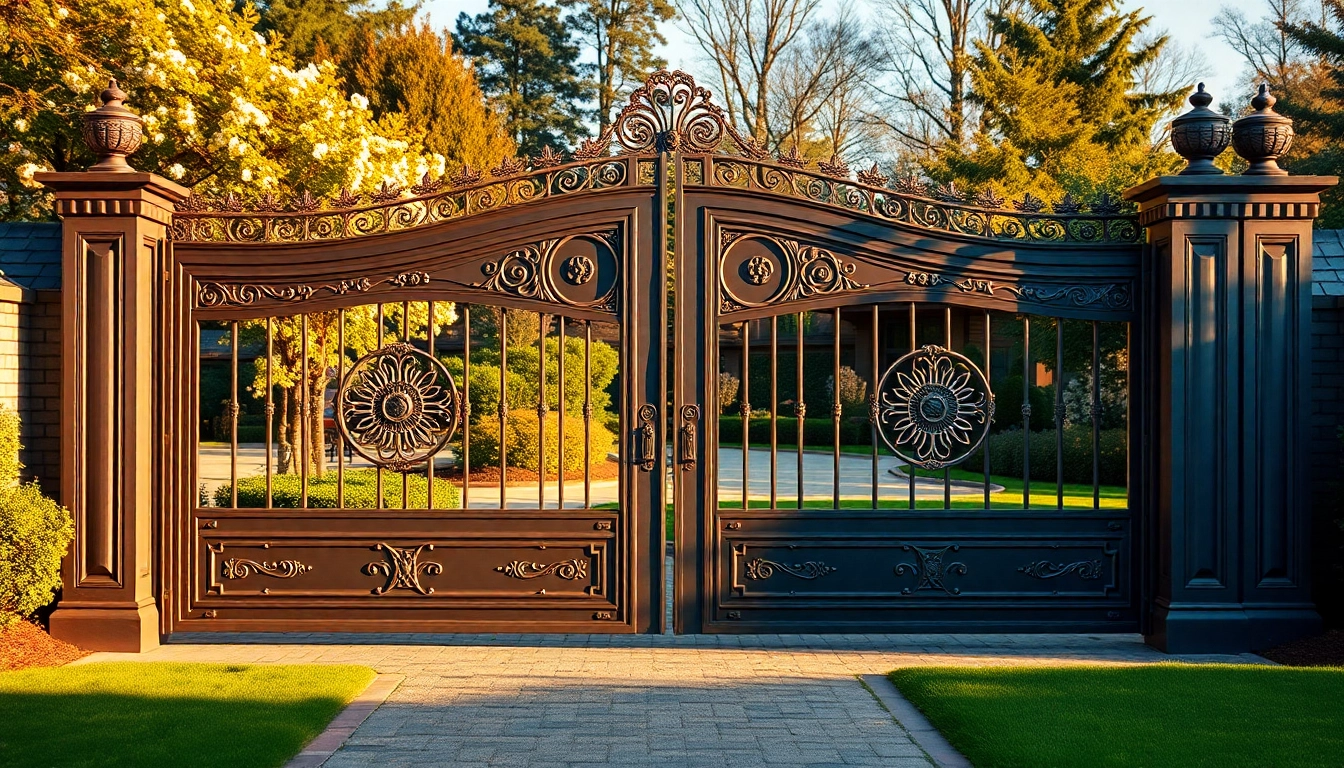
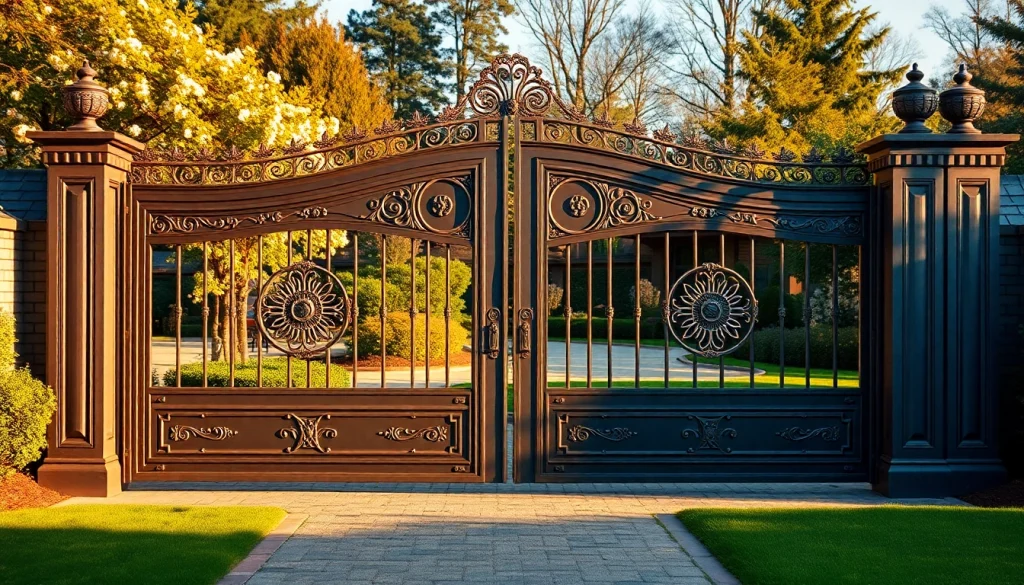
Understanding Custom Steel Gates
What Are Custom Steel Gates?
Custom steel gates are tailored entrances designed specifically to meet the aesthetic and functional needs of a property owner. Unlike standard gates, which often come in pre-defined sizes and styles, custom steel gates are engineered to fit unique openings and reflect individual tastes. They can serve various purposes, including security, accessibility, and visual appeal, making them a versatile choice for both residential and commercial properties. These gates can be designed in a myriad of configurations and finishes, allowing for personalization that aligns with the overall design of the surrounding architecture.
Benefits of Installing Custom Steel Gates
Opting for custom steel gates brings numerous advantages:
- Enhanced Security: Steel is a durable and robust material, providing a strong barrier against unauthorized access.
- Durability: Steel gates are resistant to weather, corrosion, and rust, ensuring long-lasting performance with minimal maintenance.
- Aesthetic Flexibility: Custom designs can be tailored to match the architectural style of your property, whether modern or traditional.
- High Resale Value: A well-designed steel gate can enhance property value by improving curb appeal and security.
- Functional Versatility: They can include additional features such as automation or integrated intercom systems, elevating their utility.
Common Design Options for Custom Steel Gates
There are several design options available when it comes to custom steel gates. Some popular styles include:
- Slip Gates: Ideal for properties with limited space, they slide open instead of swinging.
- Swing Gates: These gates pivot on hinges and are available in single or double configurations.
- Decorative Gates: Gates that incorporate ornate features, such as patterns or laser-cut designs, adding an artistic touch.
- Industrial Gates: Heavier and more robust designs suited for high-traffic commercial settings.
- Automated Gates: Integrating modern technology, these gates can be opened via remote control, keypad, or app.
Choosing the Right Material and Design
Material Comparisons: Steel vs. Other Metals
When selecting materials for gates, steel stands out against other metals for several reasons:
- Strength: Steel exhibits superior strength compared to aluminum or wrought iron, making it less likely to bend or warp over time.
- Security: Steel offers the highest level of security, which is paramount for residential and commercial installations.
- Cost-Effectiveness: While initially pricier than some alternatives, the longevity and durability of steel make it a better investment over time.
- Maintenance: Steel gates require less maintenance than wrought iron, which tends to rust more readily without proper treatment.
Design Considerations for Different Properties
When selecting the design of your custom steel gate, consider the following factors to ensure that it complements the property:
- Property Type: Residential gates should focus on aesthetics and security, while commercial gates should prioritize functionality and durability.
- Architectural Style: The gate should reflect the architectural features of the property, integrating seamlessly with the overall design.
- Landscape: Ensure that the gate’s design aligns with the surrounding landscaping to enhance visual harmony.
- Access Needs: Consider the practicality of the gate’s operation, especially for high-traffic areas or when accommodating vehicles.
Customization Options for Personalization
Personalizing your custom steel gate can be achieved through a variety of customizations:
- Finishes: Gates can be powder-coated or painted in various colors to match your property’s aesthetic.
- Inserts and Patterns: Adding wooden or glass inserts to create a unique look or laser-cut patterns for decorative appeal.
- Automation Features: Implementing automatic opening and closing mechanisms for added convenience.
- Security Features: Integrating advanced locking systems, video surveillance, or alarms for enhanced security.
Installation Process of Custom Steel Gates
Preparing the Site for Installation
Proper preparation is crucial for the successful installation of custom steel gates. Here’s how to prepare:
- Measuring: Accurate measurements should be taken to ensure the gate fits perfectly in the designated area.
- Clearing the Area: Remove any obstacles that may impede the installation process.
- Setting Posts: Strong, stable posts must be secured in place, as they provide the foundation for the gate’s structure.
Steps Involved in the Installation
The installation of custom steel gates typically includes several key steps:
- Positioning: The gate is positioned properly on the pre-installed posts.
- Securing Hinges: The hinges are attached to the gate and aligned to ensure smooth operation.
- Testing: Once installed, the gate should be tested for proper functionality, including checking for any obstructions.
- Final Adjustments: Making final adjustments to ensure everything is correctly positioned and secured, including any security features.
Post-Installation Maintenance Tips
Maintaining your custom steel gate is essential for ensuring longevity. Follow these maintenance tips:
- Regular Cleaning: Clean the surface regularly to prevent dirt and grime buildup.
- Inspecting Hardware: Regularly inspect hinges and latches for wear and tear, replacing them as necessary.
- Weather Protection: Employ a rust inhibitor or sealant to protect against the elements.
- Periodic Maintenance: Schedule regular check-ups or maintenance from professionals for complex systems or automation.
Cost Factors of Custom Steel Gates
Understanding Pricing Structures for Custom Gates
The cost of custom steel gates can vary significantly based on several factors, including:
- Material Costs: The quality and gauge of steel used can influence the price.
- Design Complexity: Intricate designs may require more labor and craftsmanship, affecting overall costs.
- Size and Dimensions: Larger gates will naturally cost more due to the increased amount of material needed.
- Hardware Features: Additional features, including automation and security systems, will add to the total expense.
Budgeting for Installation and Maintenance
When budgeting for custom steel gates, consider both initial installation costs and ongoing maintenance. Here are key aspects to include in your budget:
- Initial Costs: Include design, materials, and installation services.
- Maintenance: Set aside funds for periodic maintenance checks, cleaning supplies, and potential repairs.
- Replacement Parts: Budget for hardware replacements over time, especially for moving parts like hinges and locks.
Value Analysis: Long-Term Investment
While the initial investment in custom steel gates may seem high, it’s essential to evaluate the long-term benefits:
- Increased Property Value: Custom gates enhance curb appeal and can significantly elevate property value.
- Longevity: Steel’s durability ensures that your gate can withstand the test of time, resulting in lower replacement costs.
- Warranty Options: Many manufacturers offer warranties that enhance value and provide peace of mind regarding repairs or replacements.
- Insurance Benefits: Enhanced security may lead to lower insurance premiums, offsetting initial costs over time.
Choosing a Professional Service Provider
What to Look for in a Custom Gate Manufacturer
Selecting a reputable custom gate manufacturer is critical for achieving a high-quality product. Consider these factors:
- Experience: Look for companies with a long history and expertise in fabricating custom steel gates.
- Portfolio: Review their past projects to gauge the quality and variety of their work.
- Certifications: Ensure that the company meets industry standards and possesses all necessary certifications.
Reading Reviews and Testimonials
Before finalizing your choice, it’s beneficial to investigate customer experiences:
- Online Reviews: Browse third-party review sites to get an unbiased perspective on the manufacturer’s reputation.
- Testimonials: Pay attention to testimonials on the manufacturer’s website but also seek out independent feedback from former clients.
- Referrals: Ask for referrals from friends or family who may have undergone similar projects.
Questions to Ask Before Committing
Before you finalize your contract with a manufacturer, ensure you ask these vital questions:
- What are the warranty options on the gates?
- What is the estimated timeline for completion?
- What is included in the price: materials, installation, and after-sales service?
- How do they handle custom requests or changes during the project?