What is Mediation?
Defining Mediation
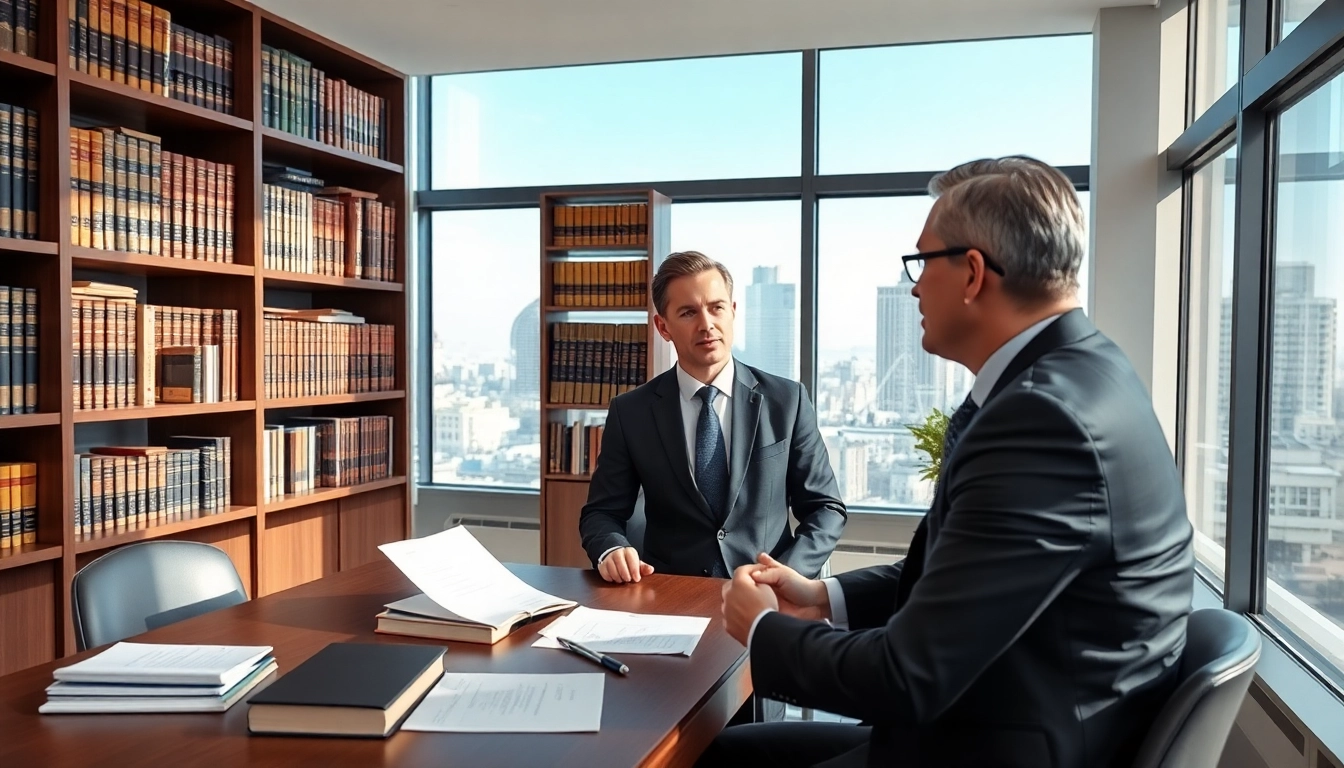
Mediation is a structured, facilitated process that aims to help disputing parties reach a mutually acceptable resolution. In this process, a neutral third party, known as the mediator, assists the individuals involved in the conflict to clarify their issues and needs, explore options, and ultimately negotiate an agreement. Unlike litigation, mediation is not adversarial; instead, it focuses on collaboration and communication, making it an effective way to resolve disputes, from family conflicts to workplace disagreements.
How Mediation Differs from Other Dispute Resolution Methods
Mediation distinguishes itself from other forms of dispute resolution, such as arbitration and litigation, primarily through its collaborative nature. In arbitration, an arbitrator makes binding decisions for the parties, while litigation involves a judge or jury determining the outcome based on legal arguments. Mediation empowers the disputing parties to create their own solutions, maintaining control over the process and its outcomes. This feature not only reduces the pressure and tension often present in traditional legal settings but also fosters a spirit of cooperation.
When to Consider Mediation
Mediation is particularly advantageous in various scenarios, including but not limited to: disputes among family members, workplace disagreements, and commercial conflicts. When parties are open to dialogue and have a willingness to negotiate, mediation becomes a viable option. It is also ideal for cases where preserving relationships is essential, such as in family disputes or ongoing business partnerships. If you are dealing with a situation that seems to stagnate due to unresolved issues or misunderstandings, exploring Mediation can be a compelling path forward.
Benefits of Mediation
Cost-effectiveness of Mediation
One of the key advantages of mediation is its cost-effectiveness. Traditional litigation often incurs substantial expenses in legal fees, court costs, and extended timelines. Mediation typically requires fewer resources, as sessions can be scheduled more flexibly and disputes can be resolved faster. The financial implications of prolonged legal battles can be severe, making mediation an attractive and prudent alternative for those looking to minimize costs while achieving satisfactory resolutions.
Speed of Resolution
Mediation can significantly accelerate the dispute resolution process. Unlike court proceedings, which can take months or even years, mediation can often be scheduled within weeks. The flexible nature of mediation allows parties to set their timelines and procedures. This promptness can relieve stress and facilitate quicker returns to normalcy, enabling parties to focus on rebuilding or advancing their relationships rather than being mired in ongoing disputes.
Maintaining Relationships through Mediation
One of the most compelling aspects of mediation is its ability to foster and maintain relationships. Given that the focus is on collaboration rather than confrontation, parties are encouraged to communicate openly. This communication can lead to agreements that respect the interests of all parties involved. When disputes arise in familial or professional contexts, preserving relationships can be crucial; effective mediation not only resolves issues but can also lay the foundation for future collaboration.
The Mediation Process
Initial Steps in Mediation
The mediation process generally starts with an initial meeting or session, often referred to as the orientation or joint session. During this meeting, the mediator explains the mediation process, establishes ground rules, and highlights confidentiality principles. Each party is given the opportunity to share their perspective on the dispute without interruption. Establishing a foundation of trust and understanding during these initial steps is critical for facilitating productive negotiations later on.
The Role of a Mediator
The mediator plays a pivotal role in guiding the mediation process. They are trained professionals skilled in conflict resolution and negotiation techniques. Their primary function is to create a safe environment for dialogue, encourage participation, and facilitate communication. Additionally, mediators help identify common ground and generate viable solutions. While they do not impose decisions, their expertise in guiding discussions can be invaluable, helping parties navigate through emotional and complex issues.
Guiding Discussions and Negotiations
As negotiations progress, the mediator helps parties explore the roots of their disagreements, facilitating open discussions that often lead to innovative solutions. This may involve breaking down large issues into manageable parts, identifying underlying needs, and brainstorming potential outcomes. The mediator’s ability to steer conversations constructively can help parties move past impasses and towards agreements that are acceptable to all involved. By employing active listening, reframing, and summarizing techniques, mediators clarify points of confusion and promote understanding.
Best Practices for Effective Mediation
Preparing for a Mediation Session
Preparation for mediation is key to achieving a successful outcome. Parties should take the time to outline their positions, identify their interests, and consider potential compromises before entering the session. Gathering relevant documents and evidence to support their perspectives can also provide clarity. Additionally, setting realistic expectations and remaining open-minded throughout the process can enhance the likelihood of a productive mediation experience.
Enhancing Communication during Mediation
Effective communication is vital for successful mediation. Parties should strive to practice active listening and avoid interrupting one another. Utilizing “I” statements can help articulate personal feelings without casting blame, facilitating a more supportive dialogue. The mediator will often employ specific techniques to enhance communication, ensuring that both parties feel heard and understood. Additionally, maintaining respect and civility throughout discussions is essential for building a cooperative atmosphere.
Strategies for Successful Outcomes
To increase the chances of achieving a successful resolution, parties can employ several strategies. Being flexible and willing to explore creative solutions is crucial; it may involve proposing unconventional ideas that could meet everyone’s needs. Maintaining a focus on interests rather than positions can also encourage collaboration. Furthermore, being prepared to compromise demonstrates a commitment to resolving the issue. Finally, recognizing that mediation is a process allows parties to remain patient as they work through challenges together.
FAQs About Mediation
What types of disputes can mediation resolve?
Mediation can resolve various disputes including family, workplace, and commercial conflicts, providing a flexible way to address issues.
How long does a mediation session typically last?
A mediation session can last from a couple of hours to a full day, depending on the complexity of the dispute and the willingness to negotiate.
Is mediation legally binding?
Outcomes of mediation are not legally binding unless both parties agree to formalize the outcome in a legal document.
Do I need a lawyer for mediation?
While not mandatory, having a lawyer can help you understand your rights and obligations during the mediation process.
What is the role of the mediator?
The mediator facilitates communication, helps clarify issues, and guides the parties through negotiation, ensuring a fair process.