What is Drayage?
Definition and Importance
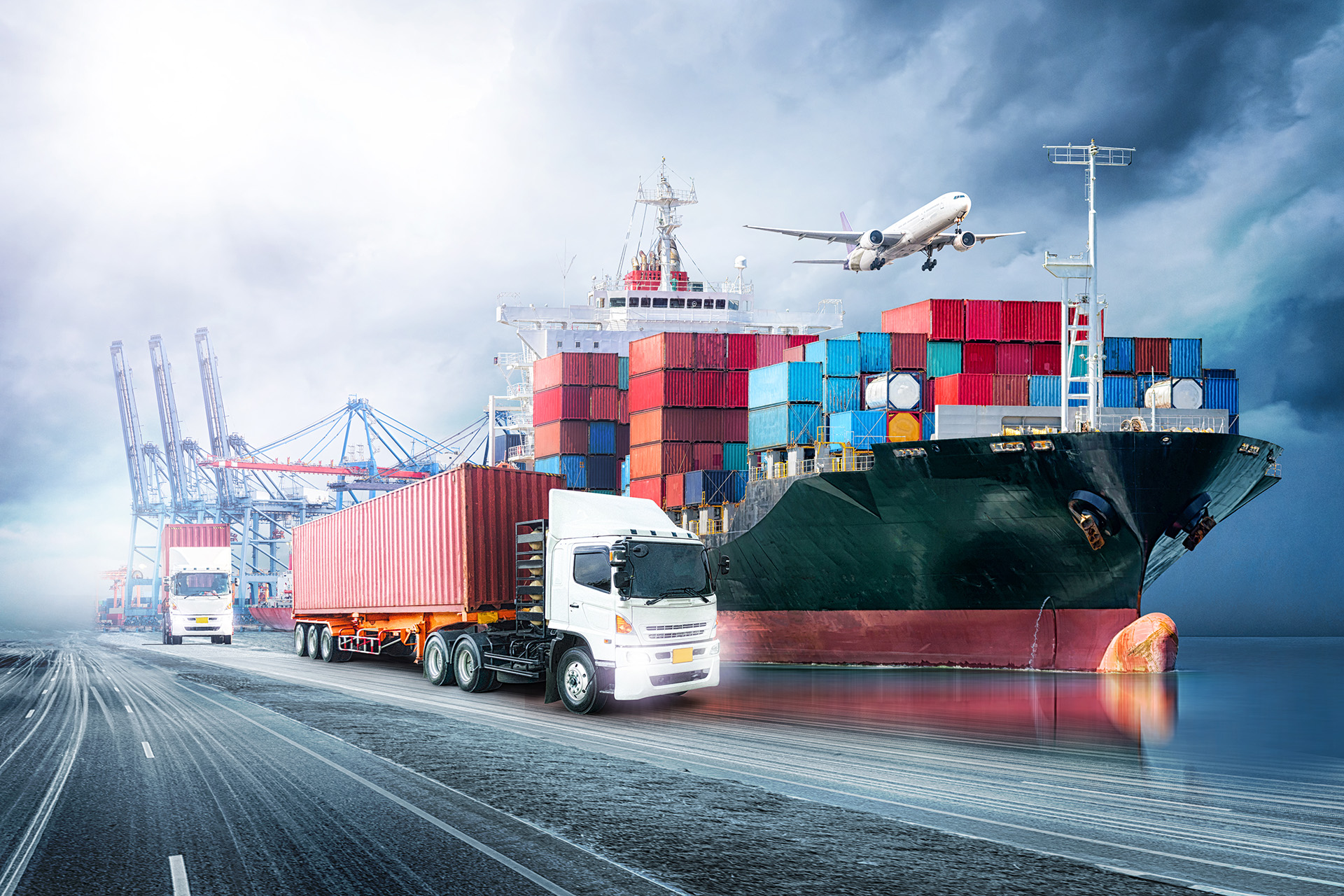
Drayage refers to the transportation of shipping containers by truck over short distances, typically ranging from a few miles to about 50 miles. This service is crucial in the logistics and transportation sectors, where it serves as a link between larger transportation methods such as ships, trains, and overland freight transport. In essence, drayage forms an integral part of the supply chain, facilitating the flow of goods from ports and rail yards to final destinations such as warehouses and distribution centers. For example, a drayage operation might involve transporting a container from a port to a warehouse located just outside the city, thereby allowing for efficient unpacking and distribution of its contents. Understanding drayage is vital, especially for businesses engaged in importing or exporting goods, as it can significantly affect their overall operational costs and timing. To learn more about various drayage options, visit Drayage.
The Role of Drayage in Supply Chain
Drayage plays a pivotal role in modern supply chain management. It acts as the essential connector between different modes of transport, ensuring that goods reach their destination in a timely and cost-effective manner. For instance, after a shipment has arrived at a port from overseas, drayage services are used to move the containers to a nearby rail yard for integration into the intermodal transport system or directly to a wholesaler’s distribution center. This not only helps in maintaining the integrity of the supply chain but also supports cost efficiencies.
At the micro level, drayage enables businesses to respond quickly to market demand by providing flexibility in how they transport goods. Shippers can arrange for just-in-time deliveries, reducing the need for large inventory reserves. Additionally, by minimizing transit times, companies can enhance customer satisfaction. Overall, effective drayage services lead to more agile and resilient supply chains.
Types of Drayage Services
Drayage encompasses various types of services, each tailored to meet specific logistical needs. Here are some of the most common types:
- Port Drayage: This is the most typical form of drayage and involves transporting containers directly from a port to their next destination.
- Rail Drayage: This service focuses on moving containers between rail terminals and nearby locations, facilitating intermodal transportation.
- Intermodal Drayage: This combines multiple transport modes, moving containers between ports, rail yards, and final delivery locations.
- Last-Mile Drayage: This service deals specifically with transporting goods from a terminal to the final destination, making it crucial for e-commerce operations.
Understanding the different types of drayage services helps businesses identify which options best suit their logistical needs, improving their supply chain efficiency and reducing costs.
Key Processes Involved in Drayage
Container Handling Procedures
The handling of containers in drayage operations is crucial for ensuring the safety and efficiency of shipments. Initially, containers must be unloaded from ships or trains using cranes and transferred into waiting trucks. A typical loading procedure involves multiple checks, including verifying the container's contents, its condition, and ensuring the proper documentation is present.
Once loaded onto a truck, the containers must be secured to prevent shifting during transit. Depending on the distance and type of cargo, handlers may use various restraints and technology to guarantee safety. Efficient handling procedures not only speed up the drayage process but also minimize risks of damage to the goods.
Coordination with Ports and Rail Yards
Effective drayage heavily relies on coordination with various stakeholders at ports and rail yards. Successful operations require timely communication between truck drivers, dock workers, and logistics coordinators. Truck drivers must be informed of unloading schedules, available slots for container pickup, and any operational changes that may affect their routes.
Moreover, advanced planning for peak times during import/export seasons can alleviate common congestion issues, ensuring containers are picked up and delivered on time. This level of coordination reduces delays, which can lead to additional costs associated with demurrage and detention fees.
Technology in Drayage Operations
Technology plays a vital role in enhancing the efficiency of drayage operations. Transportation Management Systems (TMS) are increasingly being adopted to streamline processes, optimize routes, and track shipments in real-time. Many logistics companies now incorporate GPS tracking systems to facilitate better communication and enhance transparency throughout the transport process.
Moreover, leveraging data analytics helps drayage carriers predict demand based on historical shipping patterns, enabling them to allocate resources more effectively. The integration of electronic logging devices (ELDs) within trucks also ensures compliance with regulatory requirements while maximizing operational efficiency.
Challenges in Drayage
Traffic and Congestion Issues
One of the most pressing challenges faced in drayage operations is traffic congestion, particularly in urban areas or near major ports and rail yards. High traffic volumes not only delay pickups but can also increase costs related to fuel and labor. Furthermore, the unpredictability of congestion can lead to a domino effect, impacting delivery schedules and customer satisfaction.
Logistics companies can mitigate these issues by adopting route optimization technologies that account for real-time traffic data. Additionally, implementing flexible schedules that allow for varying pickup times can help avoid peak traffic hours, ensuring smoother operations.
Cost Management Strategies
Rising operational costs pose another challenge for drayage providers. Factors such as fluctuating fuel prices, maintenance costs, and labor rates significantly affect overall profitability. Companies can manage these costs through several strategies:
- Energy Efficiency: Implementing greener technologies and optimizing fleet management can reduce fuel consumption.
- Vendor Negotiation: Establishing long-term partnerships with suppliers can lead to better rate negotiations for fuel and equipment.
- Employee Training: Training workers in efficient work practices can minimize delays and damage, thus saving costs.
Ultimately, diligent cost management strategies are vital for maintaining profitability in drayage operations.
Environmental Considerations
As the world becomes increasingly aware of climate change and environmental sustainability, the drayage industry faces pressure to reduce its carbon footprint. With trucks being a significant contributor to greenhouse gas emissions, implementing greener practices is essential for future compliance and competitiveness.
Many companies are now exploring sustainable practices, such as utilizing electric or hybrid vehicles, optimizing routes to reduce fuel consumption, and implementing effective waste management systems in their operations. By adopting sustainable practices, drayage companies not only comply with regulations but can also improve their brand image and client relations.
Best Practices for Optimizing Drayage
Effective Communication with Partners
Effective communication within the drayage ecosystem is crucial for optimizing operations. All stakeholders, including drivers, port authorities, and warehouse managers, need to collaborate and share information to improve efficiency. Regular meetings and updates can help address issues proactively and ensure everyone is aligned with operational goals.
Implementing communication platforms that allow real-time updates can drastically enhance coordination among partners, leading to reduced delays and increased customer satisfaction.
Utilizing Advanced Technology
The effective use of technology in drayage services cannot be overstated. Investing in software and tools that facilitate real-time tracking and inventory management can dramatically enhance operational efficiency. For instance, automated scheduling systems can help manage schedules dynamically, thereby responding to changes in real time.
Robust software solutions can also offer insights into operational performance metrics, helping businesses identify areas for improvement, reduce turnaround times, and ultimately save costs.
Cost-Effectiveness and Efficiency Improvements
To achieve cost-effectiveness in drayage operations, companies should continuously assess their logistics models and processes. Implementing metrics to track delivery performance, looking into alternative shipping routes, and pursuing cost partnerships can all contribute to improved efficiency.
Additionally, lean management principles can be applied to streamline processes, eliminating waste while enhancing service quality. By prioritizing efficiency, businesses can ensure a more productive drayage operation.
Future Trends in Drayage
Impact of E-commerce
The boom in e-commerce has led to significant changes in the drayage sector. As consumers increasingly expect fast and reliable delivery services, drayage operators must adapt to the growing demand for rapid shipping. This shift implies shorter processing times and more flexible delivery solutions.
Moreover, with the rise of same-day and next-day delivery options, drayage operators may need to reconsider their logistics strategies to accommodate heightened frequency and volume in deliveries. Companies embracing this trend can leverage it as an opportunity to differentiate themselves in a competitive market.
Regulatory Changes and Adaptations
The transportation industry is subject to various regulatory changes, including those pertaining to safety, emissions, and labor. As such, drayage companies must stay informed about new regulations to ensure compliance. This will likely involve investment in technology and training to adhere to these changes efficiently.
Proactively adapting to regulatory requirements not only ensures compliance but can also position companies favorably as leaders in sustainable and responsible operations within the drayage sector.
Sustainability Practices in Drayage
With growing concern for the environment, sustainable practices are becoming increasingly important in drayage operations. The future will see a movement toward greener solutions, such as implementing electric trucks, utilizing energy-efficient logistics processes, and optimizing for minimal carbon emissions throughout the supply chain.
Companies that invest in sustainability not only contribute positively to the environment but can also enhance their marketability as corporate responsibility becomes a focal point for consumers. This dual benefit positions firms well for the future as customer preferences evolve.