The Rise of Retro Appliance: A Brief History
The fascination with Retro Appliance has become increasingly prominent in modern design, encapsulating the charm of yesteryear while integrating contemporary functionality. This section delves into the journey of retro design, its key features, and popular styles currently available in today’s market.
1.1 Origins of Retro Design
Retro design finds its roots in the mid-20th century, drawing inspiration from the whimsical aesthetics of the 1940s, 50s, and 60s. During this era, appliances weren’t merely functional but were designed as statements reflecting post-war optimism and a burgeoning consumer culture. Bold colors, sleek lines, and curvy silhouettes defined these products, sparking nostalgia that continues to resonate today.
The revival of interest began in the late 20th century when designers started looking back at these decades, amidst a growing counterculture that yearned for the simplicity and authenticity of the past. Collectors and vintage enthusiasts propelled the movement, encouraging manufacturers to reintroduce these classic designs and appeal to a new generation.
1.2 Key Features of Retro Appliance
Key features that define a typical retro appliance include:
- Vibrant Colors: Bright color palettes that often feature pastels or bold primary colors.
- Curvilinear Shapes: Forms that evoke a sense of playfulness and nostalgia.
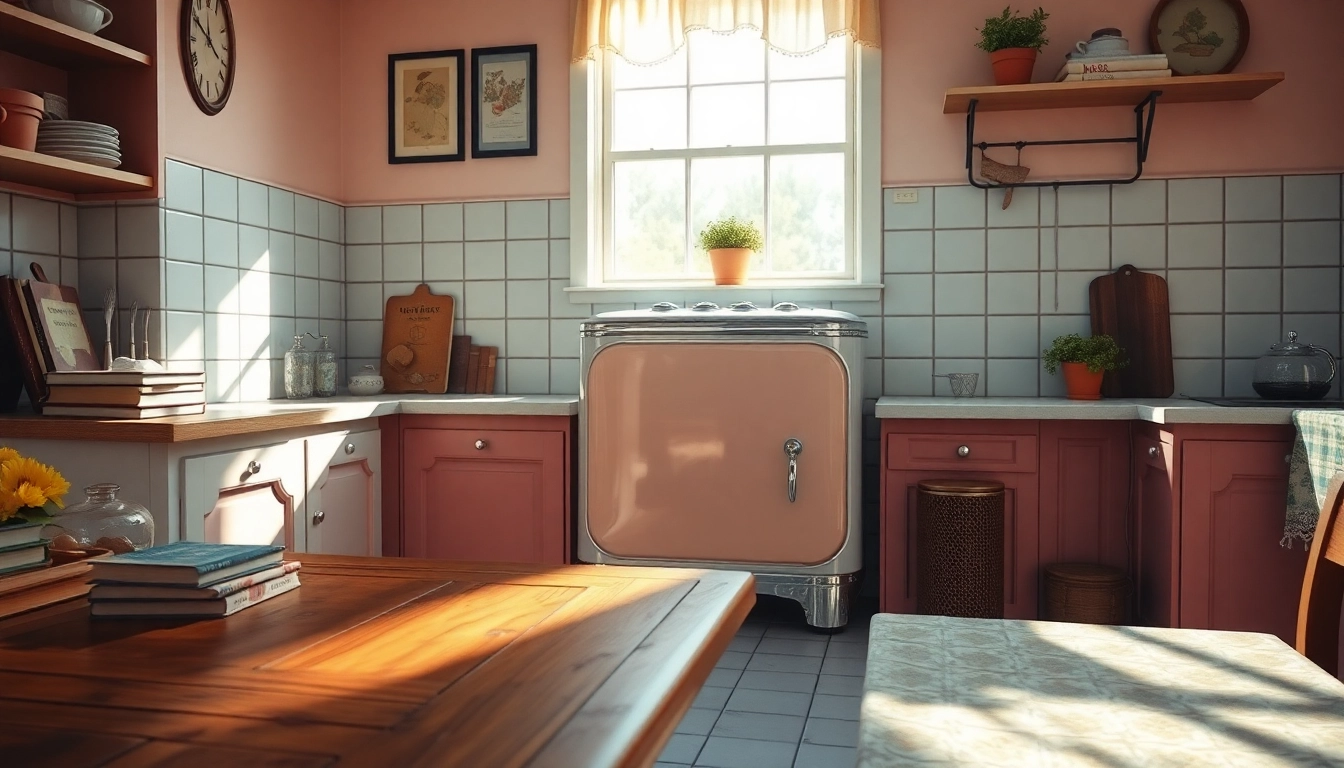
- Textured Finishes: Glossy surfaces, chrome accents, and retro decals that enhance aesthetic appeal.
- Simplistic Functionality: An emphasis on user-friendly features while minimizing unnecessary complexity.
These elements coalesce to create an appearance that is both attractive and reminiscent of a bygone era, making the appliances more appealing to consumers who value style and nostalgia.
1.3 Popular Retro Styles in Today's Market
Today, several retro styles have found their way into homes across the globe:
- Mid-Century Modern: Characterized by its clean lines and organic forms, this style showcases minimalist designs that were popular in the 1950s and 60s.
- Classic Americana: This encompasses diner-style appliances, like pastel-colored refrigerators and stoves that resemble 1950s diners.
- Vintage Industrial: Highlighting materials like stainless steel, this style integrates retro aesthetics with a more rugged look.
These styles not only cater to diverse tastes but also reflect the longing for craftsmanship and individuality absent in many contemporary designs.
Understanding the Appeal of Retro Appliance
The allure behind retro appliances extends beyond their aesthetic appeal; it intertwines with personal memories and cultural associations that breathe life into modern spaces.
2.1 Nostalgia and Its Impact on Consumers
Nostalgia plays a pivotal role in determining consumer preferences. For many, the retro appliance is a tangible connection to cherished memories from childhood or family gatherings. Such emotional resonance acts as a compelling motivator, guiding purchasing decisions. The interplay between memory and design makes retro appliances not just functional items but also pieces of personal history that adorn living spaces.
2.2 Combining Functionality with Aesthetic
While aesthetics draw customers to retro appliances, functionality ensures their satisfaction. Today's models often integrate modern technologies with classic designs, providing energy-efficient solutions without sacrificing style. Whether it’s a retro toaster with multiple browning settings or a vintage-style refrigerator that offers superior storage, these appliances manage to blend beauty and utility seamlessly.
2.3 Target Demographic: Who Loves Retro?
The target demographic for retro appliances is surprisingly diverse. Millennials, driven by their experiences with retro pop culture and media, are significant buyers. They often seek nostalgia while desiring modern conveniences. Additionally, baby boomers—who lived through the golden age of these designs—are often eager to recreate the past in their homes. This intersection of generational interests has fostered a vibrant market for retro appliances.
Choosing the Right Retro Appliance for Your Home
A retro appliance can be a stunning addition to any kitchen or utility area. However, selecting the right one involves thoughtful consideration of various factors that align with personal preferences and practical needs.
3.1 Factors to Consider
When choosing a retro appliance, consider the following factors:
- Space: Measure your kitchen or intended area to ensure the appliance fits without compromising functionality.
- Style Compatibility: Ensure the design matches your existing décor to create cohesion within your space.
- Budget: Retro appliances can vary greatly in price—set a budget and explore features within it.
3.2 Comparing Different Models
With many brands and models on the market, comparing specifications and features can help refine your choice. Look for:
- Energy ratings to gauge efficiency.
- Warranty information to ensure you’re getting a reliable product.
- Customer reviews to understand the performance and durability of each model.
Deep-diving into user feedback is particularly useful in identifying common strengths and weaknesses across appliances.
3.3 Customizing Your Retro Space
Customization can elevate the retro aesthetic of your appliance. Consider options like adding vinyl wraps, retro knobs, or customizing colors to reflect personal tastes. You can also complement retro appliances with vintage-style kitchenware, light fixtures, and décor to create a cohesive and inviting atmosphere.
Caring for Your Retro Appliance
4.1 Maintenance Tips for Longevity
Regular maintenance can extend the life of your appliance. Here are a few tips:
- Cleaning: Use non-abrasive cleaners to maintain the finish and avoid scratches.
- Regular Check-ins: Inspect for any signs of wear or malfunction and address these quickly to avoid further damage.
- Proper Usage: Follow the manufacturer's guidelines for use to prevent unnecessary wear and tear.
4.2 Common Issues and Troubleshooting
Like any appliance, retro models can encounter issues over time. Common problems include:
- Temperature inconsistencies in refrigerators. Ensure vents are clear and check the seals.
- Inefficient toasting in retro toasters. Clean crumbs and check settings for optimal performance.
Through simple troubleshooting steps, many of these issues can be resolved with minimal cost and effort.
4.3 Upgrades and Modifications
If you wish to elevate the performance of your retro appliance, consider practical upgrades. Swapping out internal components like light bulbs or filters can enhance efficiency. Additionally, some brands offer enhancements like Bluetooth speakers for a more modern touch, blending nostalgia with new trends.
Future Trends in Retro Appliance Design
The world of retro appliances evolves as consumers seek innovation while honoring the past. Below are anticipated trends that may shape the future of retro designs.
5.1 Eco-Friendly Innovations
As sustainability becomes increasingly paramount, retro appliances are incorporating eco-friendly materials and energy-efficient technologies. Expect to see products that combine classic designs with green innovations, such as energy-saving features and recyclable materials, ensuring these pieces are both stylish and responsible.
5.2 Merging Vintage with Smart Technology
The integration of smart technology into retro appliances is another significant trend. Manufacturers are developing appliances that retain their vintage aesthetics while offering smart capabilities—such as Wi-Fi-enabled ovens and app-controlled refrigerators—bridging the gap between the past and future.
5.3 Predictions for the Next Decade
By exploring consumer preferences and embracing technological advancements, the next decade promises a revolution in retro appliance design. Key predictions include a surge in customizable options, enhanced sustainability measures, and an emphasis on artisanal craftsmanship that resonates with consumers' increasing desire for authenticity and uniqueness in their homes.
FAQs
What defines a retro appliance?
A retro appliance is characterized by a vintage design aesthetic inspired by mid-20th century styles, often featuring vibrant colors and streamlined shapes.
Are retro appliances energy-efficient?
Many modern retro appliances are designed with energy-efficient features that comply with current standards, making them eco-friendly options for your home.
Where can I buy retro appliances?
Retro appliances can be found in specialty appliance stores, online retailers, and vintage shops that offer both new and refurbished models.
Can I customize my retro appliance?
Yes, many retro appliances offer customization options such as color choices, decorative elements, and add-on features to fit personal styles and needs.
How do I maintain a retro appliance?
Regular cleaning, checking for wear and tear, and adhering to manufacturer guidelines will help maintain the longevity and performance of your retro appliance.