Understanding the Importance of Shower Screen Door
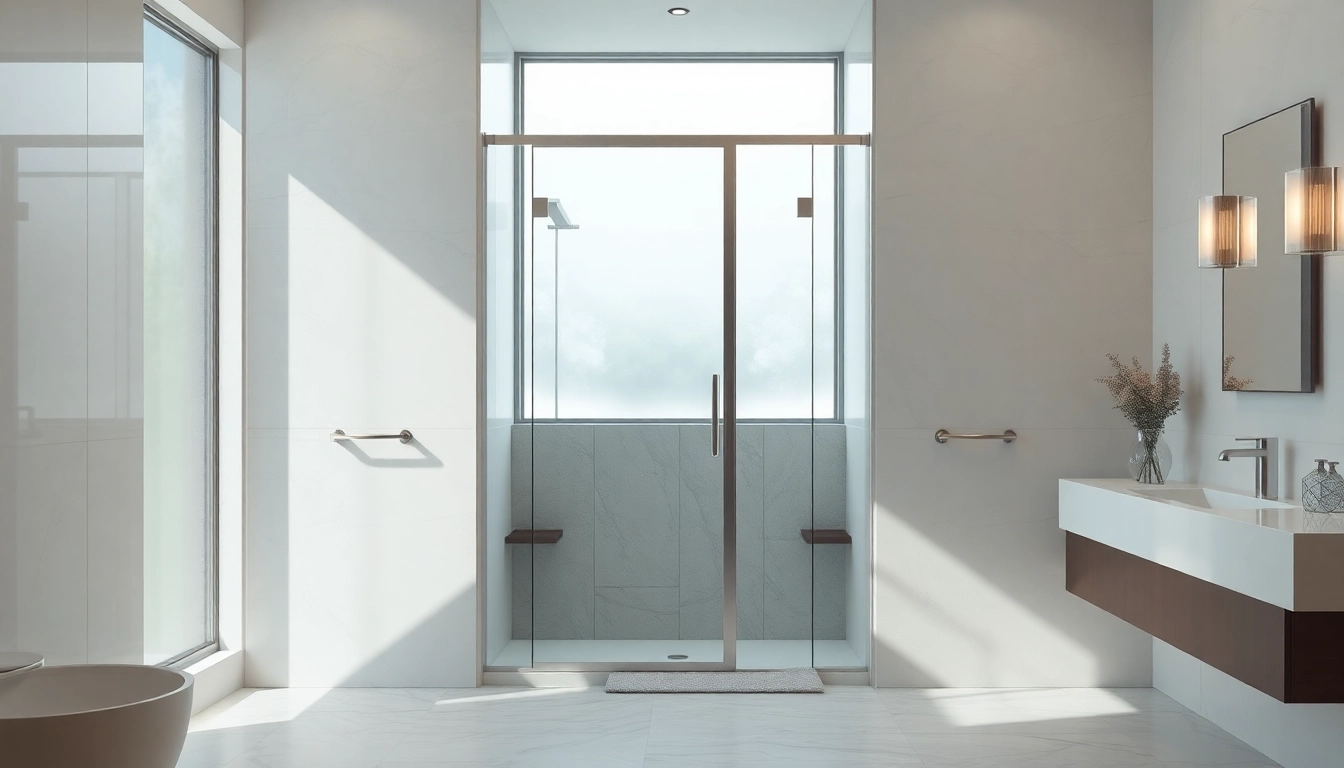
When it comes to modern bathroom design, few elements play as crucial a role as a shower screen door. A well-chosen shower screen door not only enhances functionality but also elevates the aesthetic appeal of your space. With a variety of options available, understanding the significance and benefits of these doors can help homeowners make informed decisions about their bathroom investments.
Why Choose a Shower Screen Door?
Shower screen doors serve as a separation between your bathing area and the rest of the bathroom, ultimately contributing to a clean and organized look. Unlike traditional shower curtains, which can trap moisture and harbor bacteria, shower screen doors create a barrier that is easier to clean and maintain. Additionally, their transparency gives the illusion of a larger space, ideal for smaller bathrooms.
Benefits of a Shower Screen Door
The benefits of installing a shower screen door extend beyond aesthetics. These doors are designed to prevent water from splashing onto the bathroom floor, significantly reducing the risk of slips and falls. They are toughened for safety and are more suited for families with children or elderly members. Furthermore, many shower screen doors are equipped with advanced glass coatings that help to resist soap scum and water stains, providing longevity.
Common Styles Available
Shower screen doors come in various styles, such as hinged, bi-fold, sliding, and corner options. Each design caters to different bathroom layouts and personal preferences. For instance, sliding doors are great for saving space, while hinged doors may be suitable for larger showers. Choosing the right style ensures not only functionality but also compliments the overall design theme of the bathroom.
Key Features to Look for in a Shower Screen Door
When selecting a shower screen door, several key features should be considered to ensure you make the best choice for your needs.
Material Options Explained
Shower screen doors are typically constructed from glass, with options that include tempered, laminated, and acrylic materials. Tempered glass is popular due to its strength and safety; it shatters into small pieces when broken, minimizing injury risks. Laminated glass, while also safe, consists of multiple layers and is less prone to breaking but heavier. Acrylic is a lightweight and cost-effective option however, it may scratch easily.
Design Choices for Every Bathroom
The design of your shower screen door should align with the overall theme of your bathroom. Minimalistic frameless doors provide a sleek, modern look, while framed doors offer more stability and a touch of elegance. Custom designs are available for unique spaces, such as non-standard angles or sizes, allowing you to capture the desired aesthetic.
Safety Features to Consider
Safety is paramount when choosing a shower screen door. Look for options with tempered glass that meets safety standards. Some doors feature rounded edges and shatterproof layers, reducing the risk of accidents. Additionally, ensure that any hinges or handles are securely installed to prevent unexpected dislodgment.
Installation Process of the Shower Screen Door
Installing a shower screen door can be a manageable DIY project or a professional installation task. Understanding the installation process is key to achieving a secure and appealing fixture.
Tools Needed for Installation
Before starting, gather essential tools including a level, measuring tape, screwdrivers, a drill, and silicone sealant. Protective gear such as gloves and goggles is also advisable to ensure safety during installation. Having the right tools on hand saves time and helps avoid errors.
Step-by-Step Installation Guide
- Measure the Shower Area: Accurately measure your shower space to determine the size of your shower screen door.
- Prepare the Surface: Ensure the edges of the shower are clean and free of debris.
- Install the Hinges or Rails: Depending on your chosen design, securely attach hinges or sliding rails to the wall using the drill.
- Hang the Door: Carefully lift and secure the shower screen door onto the installed hinges or rails.
- Seal Edges: Apply silicone sealant around the edges to prevent water leakage.
- Final Adjustments: Check for proper alignment and make any necessary adjustments.
Common Installation Mistakes
Among the most common installation errors is inaccurate measurement, which can lead to poorly fitting doors. Additionally, failing to secure hinges properly can cause doors to wobble or detach over time. Ensure that all components are level before applying sealant to prevent water damage.
Maintenance Tips for Your Shower Screen Door
To ensure the longevity of your shower screen door, proper maintenance is essential. Regular cleaning and care can keep your installation looking new and functioning well.
Cleaning Techniques for Longevity
Cleansing your shower screen door regularly minimizes soap scum and mineral build-up. Use a mixture of vinegar and water for a natural cleaner, applying it with a soft cloth. Avoid abrasive cleaners that can scratch the glass surface. A squeegee used after each shower can also help keep the glass clear and reduce the need for deep cleaning.
Preventing Water Damage
To avert water damage, ensure proper sealing around the door edges. Check for any gaps or cracks in the sealant regularly and renew it as needed. Installing a water softener can also help reduce mineral deposits that cause water stains.
When to Replace Your Shower Screen Door
Signs that it may be time for a replacement include persistent leaks, extensive scratches, or cracks that compromise the door's integrity. If maintenance no longer keeps your shower screen door looking good and functioning well, consider investing in a new one to maintain safety and aesthetics.
Frequently Asked Questions About Shower Screen Door
How much does a shower screen door typically cost?
The cost of a shower screen door varies based on material, design, and size but generally ranges from £200 to £1000. Custom installations may exceed this range.
Can I install a shower screen door myself?
Yes, many homeowners can install a shower screen door themselves, provided they have basic tools and follow installation instructions carefully.
What are the best materials for a shower screen door?
The best materials include tempered glass for safety and durability, with options like laminated glass providing additional strength and aesthetics.
How often should I clean my shower screen door?
To maintain its appearance, aim to clean your shower screen door at least once a week, with deeper cleaning monthly to prevent build-up.
Are shower screen doors safe for children?
Yes, shower screen doors are generally safe, especially if they are made from tempered glass. However, close supervision is recommended for young children.