
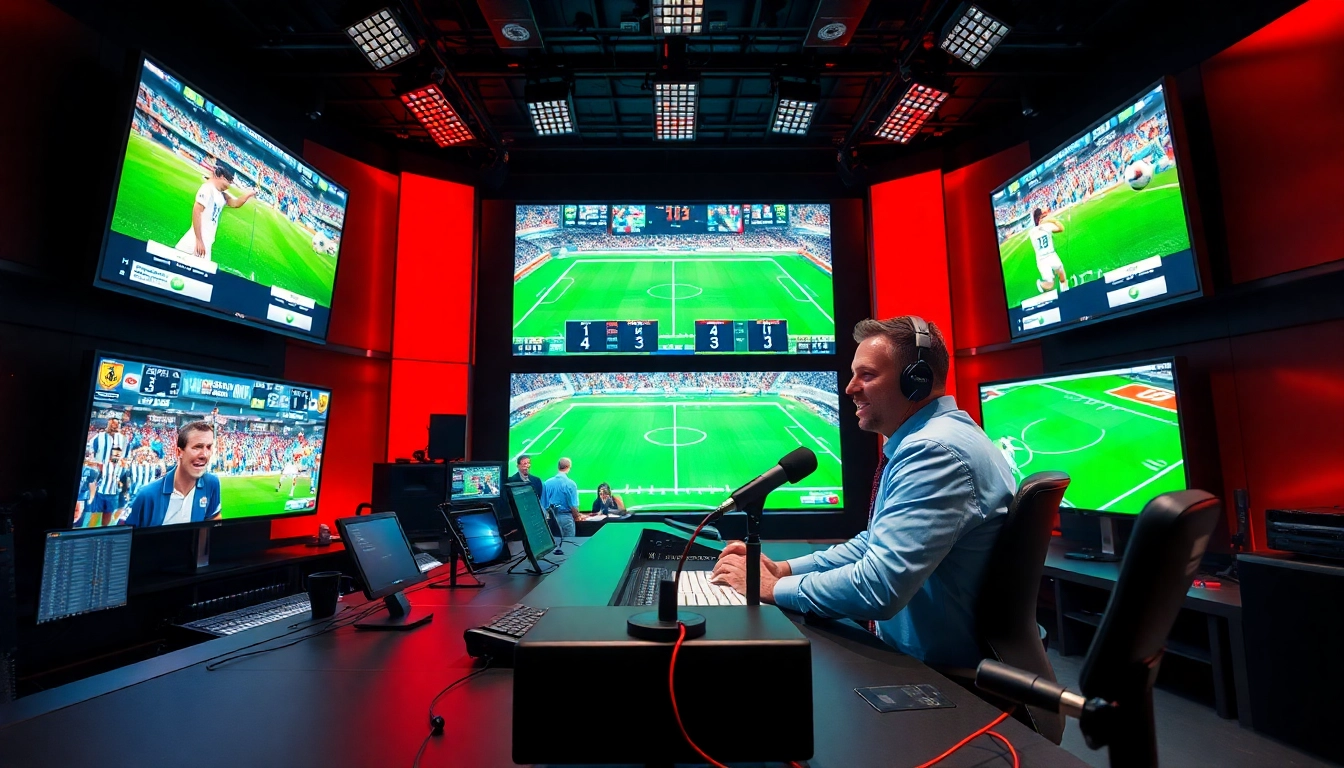
Understanding Sports Broadcasting Fundamentals
Defining Sports Broadcasting
Sports broadcasting refers to the art and science of conveying real-time sporting events through diverse media formats, which include television, radio, and the internet. Its primary purpose is to deliver timely, engaging content to audiences, enabling them to follow their favorite teams and athletes effectively. The evolution of this medium has revolutionized how fans consume sports, transforming casual viewership into a highly interactive experience.
Key Roles in Sports Broadcasting
Successful sports broadcasting relies on a myriad of professionals working collaboratively. Key roles include:
- Commentators: They provide live commentary, offering insights and engaging storytelling that enhances viewer experiences.
- Producers: Responsible for the overall production, they ensure that broadcasts run smoothly and meet audience expectations.
- Technical Crew: This group operates cameras, microphones, and other essential equipment to capture the action effectively.
- Writers: They prepare scripts and content that help shape broadcasts, from highlights to player statistics.
The Evolution of Sports Broadcasting
The history of sports broadcasting spans over a century, evolving from radio broadcasts to contemporary digital streaming systems. Early broadcasts offered minimal visuals but paved the way for television, which refined the viewer's experience. The advent of the internet introduced live streaming, allowing fans to watch events from anywhere in the world. Each significant leap in technology represents a deeper connection between fans and their beloved sports.
Technology Shaping Sports Broadcasting
Equipment Essentials for Sports Broadcasting
To deliver quality broadcasts, investing in state-of-the-art equipment is vital. Essential equipment includes:
- Cameras: Multi-angle cameras capture the nuances of gameplay.
- Audio Equipment: High-quality mics ensure commentators' voices are clear amidst the excitement of the event.
- Switchers and Mixers: They allow producers to change camera angles and mix audio inputs seamlessly.
- Graphics Systems: These provide on-screen information, such as scores and player stats, enhancing viewer engagement.
Software Innovations in Sports Broadcasting
Modern sports broadcasting heavily relies on innovative software solutions for content delivery, production management, and audience interaction. Tools such as cloud-based editing software streamline content creation, while analytics platforms help teams understand viewer preferences. Virtual and augmented reality technologies are emerging, offering immersive viewer experiences beyond traditional broadcasting.
Future Technology Trends in Sports Broadcasting
The future of sports broadcasting looks promising with trends such as:
- 5G Technology: Higher data speeds will facilitate better streaming quality and reduced latency.
- Artificial Intelligence: AI will enhance data analytics capabilities, allowing for personalized viewer content.
- VR and AR: These technologies will enable fans to experience sporting events in innovative ways, making them feel part of the action.
Techniques for Effective Sports Commentating
Preparing for a Broadcast
Preparation is critical for effective commentating. Commentators should research teams, players, and historical context about the event to offer informed insights. Engaging in discussions with production teams can help understand broadcast angles and moments to emphasize, allowing commentators to craft a structured narrative throughout the event.
Engaging Viewers with Commentary
Engagement is a cornerstone of successful commentary. This involves using a clear and dynamic speaking style, weaving personal anecdotes, and maintaining a connection with the audience. Commentators should mix excitement with professionalism, ensuring their commentary adds value to the viewing experience without overshadowing the action on screen.
Handling Live Broadcast Challenges
Live broadcasting is inherently unpredictable. Commentators may face sudden disruptions or unexpected events. Strategies for overcoming these challenges include staying composed, possessing thorough knowledge to fill gaps, and relying on teamwork with producers to address any technical issues swiftly.
Exploring Different Types of Sports Broadcasting
Live Game Coverage Formats
Live game coverage formats vary widely, from traditional television broadcasts to real-time online streaming. The choice of format often depends on the audience's preferences and the nature of the sport being covered. Each format should aim for optimal engagement, catering to fans by providing multiple viewing options.
Highlight Shows and Recap Broadcasts
Highlight shows compile the most exciting moments from events, creating short, engaging programs that summarize key actions. These broadcasts cater to audiences looking for quick insights rather than full game experiences. Recap broadcasts typically discuss the implications of the games, offering deeper analytical perspectives.
Streaming Platforms in Sports Broadcasting
Streaming platforms have revolutionized how sports are consumed. Services that specialize in Sports Broadcasting offer subscription-based and ad-supported models, providing flexibility for viewers. Platforms allow fans to watch live or recorded events on-demand, accommodating varied schedules while enhancing accessibility.
Measuring Success in Sports Broadcasting
Performance Metrics and KPIs
To ascertain the success of a broadcast, several performance metrics and key performance indicators (KPIs) should be tracked. Metrics can include viewer ratings, social media engagement, and audience feedback. Consistent monitoring allows broadcasters to refine strategies and ensure they meet audience needs effectively.
Audience Engagement Strategies
Enhancing audience engagement requires multi-channel strategies. Utilizing social media platforms to interact with fans during broadcasts, creating polls or contests, and encouraging viewer feedback can strengthen relationships with the audience. Continuous communication fosters a community surrounding the broadcast.
Analyzing Viewership Trends
Understanding viewership trends is crucial for adapting content strategies. Analysis of demographic data helps identify which segments are most engaged, allowing tailored content creation. The ability to pivot based on this data can significantly improve audience retention and satisfaction.
Frequently Asked Questions
What is Sports Broadcasting?
Sports Broadcasting is the transmission of live sports events through various media channels like television, radio, and online platforms, aimed at providing viewers with exciting coverage.
What are the key roles in Sports Broadcasting?
Key roles include commentators, producers, technical crew, and writers who collaborate to create engaging and high-quality broadcasts for viewers.
How has technology impacted Sports Broadcasting?
Technology has enhanced production quality and viewer experiences through innovations like high-definition cameras, real-time analytics, and streaming platforms.
What are common challenges in Sports Broadcasts?
Challenges include live broadcasting unpredictability, technical failures, and maintaining audience engagement during dull moments, which requires skilled commentators and crews to manage.
How can success be measured in Sports Broadcasting?
Success can be measured through viewer ratings, social media engagement, audience feedback, and analysis of viewership trends to optimize future broadcasts.
By focusing on these aspects, individuals looking to enter the field of Sports Broadcasting can develop a comprehensive understanding of its intricacies and opportunities.
For more insights into Sports Broadcasting, consider checking Sports Broadcasting resources.