1. Overview of Austin Construction Trends
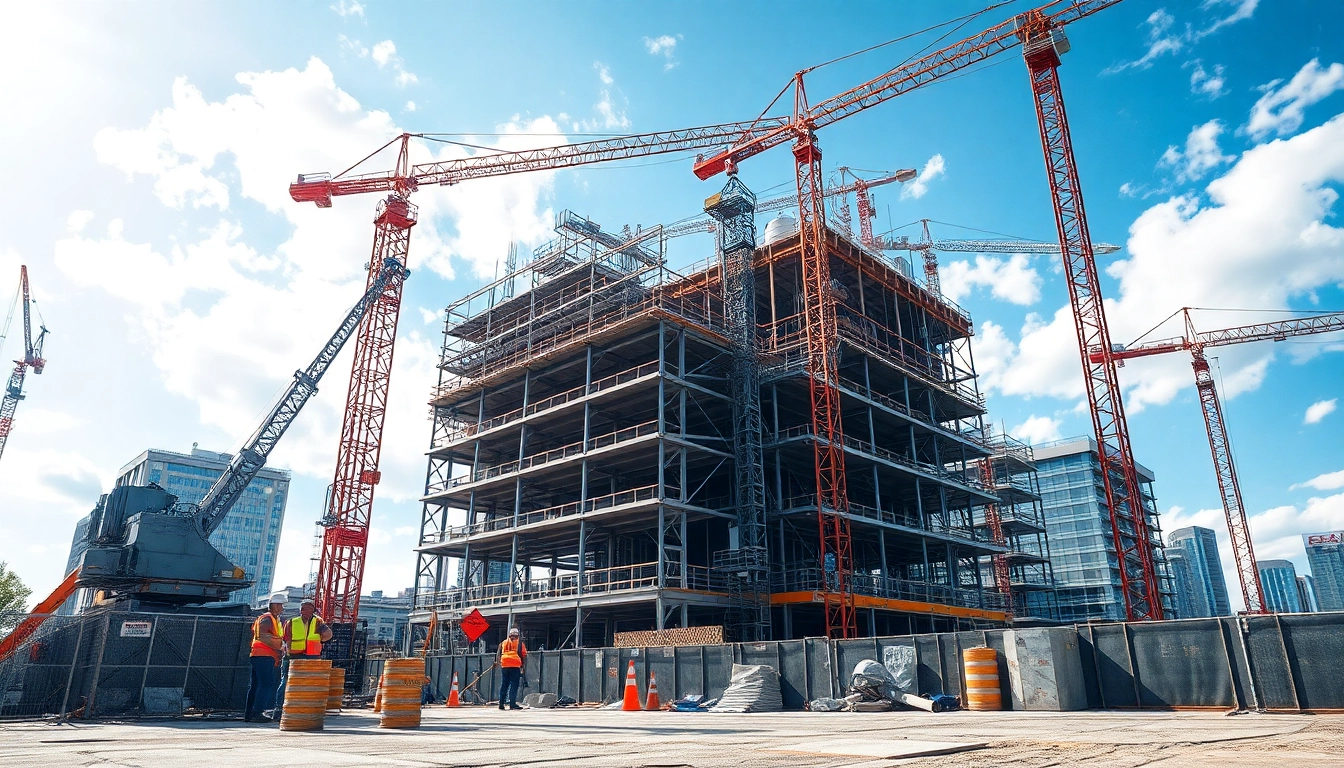
Austin, Texas, has emerged as a vibrant hub for construction activities, shaped by a dynamic mix of historical influences, evolving market demands, and progressive innovations. As the capital city continues to expand, Austin construction is not merely about building structures; it reflects changing demographics, economic conditions, and environmental visions. This overview examines the historical context, current market analysis, and future projections that frame today's construction landscape in Austin.
1.1. Historical Context
The roots of Austin’s construction boom can be traced back to its establishment in the mid-19th century. Initially a government center, it gradually evolved into a college town, fostering significant educational infrastructure. The late 20th century saw Austin transform into a technology and cultural magnet, leading to an influx of population and, consequently, a surge in demand for housing and commercial spaces. Landmark projects during this time, such as the development of the Domain and the revitalization of downtown, have defined the skyline and urban fabric of the city. Understanding this historical context is critical for stakeholders looking to navigate the modern construction environment by learning from past successes and failures.
1.2. Current Market Analysis
As of 2023, the Austin construction market is characterized by robust growth, fueled by a robust economy driven by tech, healthcare, and creative industries. The city's population continues to rise, and with it, the demand for various types of construction, including residential, commercial, and infrastructural projects. Recent studies indicate that projects in residential construction have seen a significant increase, with single-family homes functioning as a vital segment. The multifamily and commercial spaces are also witnessing expansions, catering to both local and relocating businesses. With this growth comes the challenge of balancing quality, sustainability, and affordability.
1.3. Future Projections
Looking ahead, industry experts predict that Austin's construction landscape will become increasingly focused on sustainable and energy-efficient practices. With a growing emphasis on environmental responsibility, state and local policies are likely to encourage green building initiatives. Moreover, rapid technological advancements—such as the integration of Building Information Modeling (BIM) and modular construction—are set to influence how projects are designed and executed. Companies will need to adapt to these trends to remain competitive, with a strong emphasis on innovative practices that enhance efficiency and reduce costs.
2. Key Players in Austin's Construction Industry
The construction industry in Austin is comprised of a diverse range of stakeholders, including major contractors, innovative startups, and local government agencies, all contributing to the dynamic landscape of construction.
2.1. Major Contractors and Developers
Some of Austin’s prominent contractors and developers have shaped the skyline and infrastructure significantly. Companies such as Hensel Phelps and McCarthy Building Companies have pioneered large-scale projects like high-rise condominiums and commercial spaces. These established players bring expertise and experience, enabling them to tackle complex projects that require precision and a deep understanding of local regulations and client needs. Furthermore, they often use cutting-edge practices and technologies that set benchmarks for the industry, emphasizing quality and efficiency.
2.2. Emerging Startups and Innovators
In addition to established firms, Austin has become a breeding ground for innovative startups that bring fresh perspectives to the construction process. Companies like Lendlease and various local startups are reshaping aspects of construction through technology, such as drones for surveying and construction site monitoring. These businesses often leverage modern methodologies such as lean construction, which focuses on reducing waste while increasing value. As these startups continue to grow, they contribute significantly to the overall competitiveness of the construction landscape in Austin.
2.3. Collaboration with Local Government
The symbiotic relationship between the construction industry and local government greatly influences the pace and nature of development. In Austin, city policies play a crucial role in shaping the urban landscape by facilitating or regulating construction activities through zoning laws, building codes, and development incentives. Collaborations in public-private partnerships (P3s) have also been seen in several infrastructure projects, aiming to enhance public facilities and services. Effective communication between government entities and construction firms is imperative for ensuring the orderly expansion of the city while also addressing community concerns regarding growth and sustainability.
3. Challenges Facing Construction in Austin
Despite the robust growth, the construction industry in Austin faces several challenges that could impact its future trajectory. Addressing these challenges is critical for businesses to thrive in a competitive market.
3.1. Supply Chain Issues
One of the central challenges confronting Austin's construction sector is supply chain disruptions. Factors such as global material shortages, fluctuating shipping rates, and local site logistical constraints have led to delays and increased project costs. For instance, the pandemic exposed vulnerabilities in supply chains, which caused timber prices to spike and availability to plummet. Firms must adopt proactive strategies, such as diversifying suppliers and investing in local material resources, to mitigate these risks in future projects.
3.2. Labor Shortages
Labor shortages represent another significant obstacle, exacerbated by an aging workforce and a lack of skilled labor entering the industry. Austin’s rapid economic growth further complicates this issue, as many tradespeople are drawn to more lucrative projects elsewhere. To counteract this trend, construction firms are investing in employee training programs, apprenticeship initiatives, and partnerships with trade schools to supplant the skills deficit and attract fresh talent to the industry.
3.3. Regulatory Compliance
Navigating the regulatory landscape in Austin can be daunting for construction firms. Local building codes, stringent environmental regulations, and permit processes can slow down project timelines and increase overhead costs. Companies must not only stay updated on compliance requirements but also invest in robust compliance management systems to streamline processes and avoid costly delays. Engaging with legal experts who specialize in construction can provide additional guidance in managing these regulatory challenges effectively.
4. Best Practices for Successful Projects
To overcome challenges and ensure successful outcomes, construction firms must adopt best practices that prioritize efficiency, sustainability, and technological integration.
4.1. Efficient Project Management
Effective project management is paramount for timely and within-budget completions. Implementing systems such as Agile methodologies can improve responsiveness to changing project needs. Utilizing project management software tools allows for better collaboration among team members, providing real-time updates on project status and resource allocation. Regular check-ins and transparent communication further streamline processes, ensuring everyone is aligned with project goals.
4.2. Sustainable Building Practices
As sustainability takes center stage in the construction industry, adopting green building practices is no longer optional. This includes sourcing eco-friendly materials, utilizing energy-efficient systems, and integrating renewable energy solutions into designs. Certifications such as LEED (Leadership in Energy and Environmental Design) are becoming valuable benchmarks that signal commitment to environmentally responsible construction. Firms that prioritize sustainability not only contribute positively to the environment but also appeal to increasingly eco-conscious clientele.
4.3. Leveraging Technology in Construction
Embracing technology is essential for modern construction firms. The introduction of tools like Building Information Modeling (BIM), drones for site surveys, and augmented reality for design visualization enhances overall project outcomes. Companies that adopt these technologies see benefits in cost reduction, improved safety, and enhanced client engagement. Furthermore, investing in training for employees to utilize these technologies raises the overall efficiency of operations.
5. Measuring Success in Austin Construction
Defining success in construction extends beyond the completion of a project; it encompasses performance metrics, client satisfaction, and how well a project contributes to long-term growth.
5.1. Performance Metrics
Establishing clear performance metrics is crucial for evaluating success. Key indicators may include project completion times, budget adherence, quality of work, and safety records. Regular assessment against these metrics allows firms to identify improvement areas and implement necessary changes. Moreover, benchmarking against industry standards enables businesses to remain competitive and challenge themselves continuously.
5.2. Client Satisfaction Standards
Client satisfaction is a central pillar of measuring project success. Gathering feedback through post-project surveys, one-on-one interviews, and follow-up evaluations allows construction firms to understand client experiences deeply. Happy clients are more likely to engage in repeat business and offer referrals, significantly impacting revenue streams. Transparency during projects and established communication channels can facilitate higher satisfaction levels.
5.3. Growth Indicators
Monitoring growth indicators such as the number of projects secured, revenue increases, and market expansion is essential for long-term strategic planning in the construction sector. Firms should also track their innovation indexes—how many new processes or technologies are being integrated into their operations. Establishing a strong brand presence online and in the community can also signal growth and stability in a rapidly changing market.