Understanding Event Videography
Definition and Scope of Event Videography
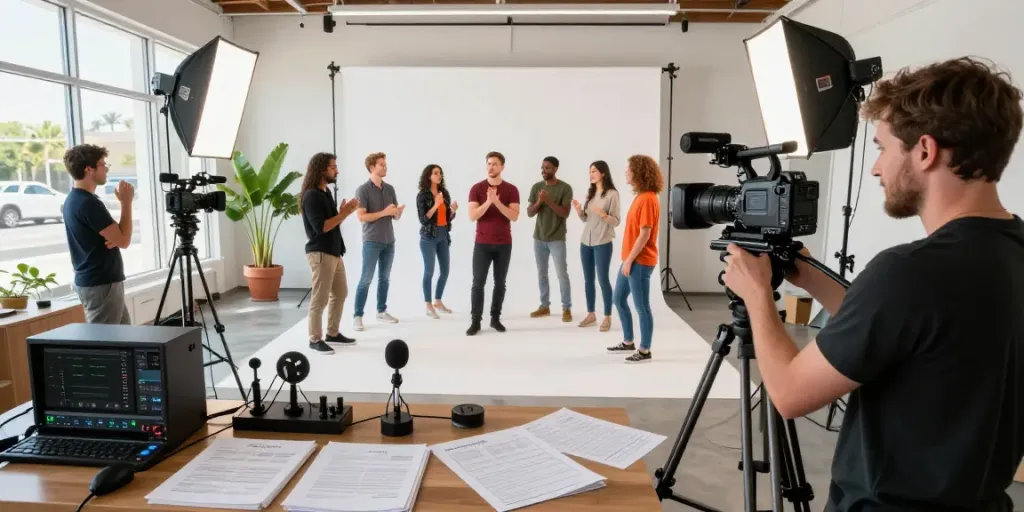
Event videography involves capturing video footage of various events to document moments, emotions, and experiences. Unlike typical filmmaking, which may focus on scripted narratives, event videography is spontaneous and requires adaptability to capture live, dynamic moments. The scope includes weddings, corporate events, concerts, sports, and other gatherings where visual storytelling serves to preserve memories and foster engagement.
Essentially, event videography is an art and a skill set that merges technical proficiency with a keen sense of timing and creativity. As professionals capture the essence of each event, they provide not just a record but a narrative that conveys the atmosphere, emotions, and significance of each occasion. High-quality event videography can elevate the impact of a gathering, making it memorable for all involved.
Importance of High-Quality Videography in Events
High-quality videography plays a pivotal role in events by preserving important moments for future enjoyment. It allows guests and hosts to relive the experience long after the event has concluded. In an era of social media, having professional footage can enhance an organization's or individual's online presence, drawing in new audiences through shareable content.
Moreover, quality videography helps in branding and marketing efforts. For businesses, a well-produced event video can serve not only as a promotional tool but also as a way to showcase company culture and values. It can highlight successful projects, client relationships, and successful events, nurturing trust and credibility with future clients.
Common Types of Events Covered by Videographers
Event videographers can find a broad range of activities to cover. Some of the most common types of events include:
- Weddings: Capturing the day from preparation to the final dance, documenting emotions and details for couples to cherish.
- Corporate Functions: Covering conferences, seminars, and team-building retreats ensures that business milestones are preserved.
- Concerts and Performances: Filming live music events provides artists with promotional material and satisfies fan expectations.
- Sporting Events: Capturing the action and excitement, whether it’s a local game or an international tournament.
- Community Events: Festivals, fairs, and local gatherings that reflect community spirit and culture.
Essential Techniques for Captivating Event Videography
Pre-Event Planning and Preparation
Preparation is vital in ensuring that everything goes smoothly on the day of the event. This involves understanding the event schedule, identifying key moments that need to be captured, and liaising with event organizers. A pre-event location recce can help videographers familiarize themselves with the venue, allowing for the planning of camera placements and potential shooting angles.
Moreover, having a checklist can ensure that all necessary equipment—cameras, lenses, tripods, stabilizers, and backups—are prepared. Establishing a clear communication channel with coordinators and participants can also facilitate seamless capturing of moments that matter.
Camera Settings and Equipment Choices
The choice of camera and settings can significantly impact the quality of footage. Videographers should understand the basics of exposure, frame rates, and resolution. A common setup might include a 4K camera for crisp visuals, a gimbal for stabilization, and external microphones for clear audio capture. Proper lighting setups are critical for indoor events, especially where lighting may be inadequate.
Additionally, using multiple cameras can enrich the footage by allowing various angles, making the final edit more engaging. Understanding when to zoom in, pull out, or switch angles is essential during the shooting phase to ensure diverse coverage.
Capturing Emotion and Atmosphere
The hallmark of exceptional event videography is the ability to capture emotions and the overall atmosphere. This involves being observant and ready to capture spontaneous moments—whether it’s a tearful speech, joyous laughter, or a quiet, touching moment between friends.
Filmmakers can enhance storytelling through close-ups, candid shots, and sequences that evoke feelings. Paying attention to the subtleties in interactions can transform standard footage into a heartfelt narrative that viewers appreciate.
Post-Production Tips for Stunning Event Videos
Editing Basics Every Videographer Should Know
Editing transforms raw footage into a compelling narrative. Start by organizing the footage into folders; categorize by scenes, highlights, and important moments. Basic editing software provides tools for cutting, joining clips, and adjusting color and exposure.
Learning to use transitions appropriately can elevate a video’s professional look. Avoid overusing flashy effects, which may detract from the story being told. Instead, aim for smooth transitions that maintain the event's flow.
Best Practices for Sound and Music Integration
Sound significantly contributes to the overall quality of event videos. Use high-quality microphones to capture speeches and ambient sounds clearly. In post-production, balance audio levels and eliminate background noise to enhance viewer experience.
Integrating music requires careful consideration of copyright laws. Using original scores or royalty-free tracks can enhance the emotional weight of the video. Ensure the music complements the imagery, elevating the piece while maintaining a respectful tone of the event.
How to Create a Compelling Narrative
A compelling event video goes beyond a simple recitation of events. It tells a story, complete with a beginning, middle, and satisfying end. Start with an introduction that sets the stage, followed by key moments that build emotional engagement. Finally, conclude with a reflection or noteworthy highlight that encapsulates the event’s significance.
Using interviews, testimonials, and voiceover can deepen the connection with viewers, adding layers to the storytelling. Remember, the goal is to create a video that resonates with viewers long after they’ve watched it.
Marketing Your Event Videography Services
Building a Professional Portfolio
Your portfolio is a visual resume that showcases your best work and creative range. Include a variety of event types to attract diverse clients. Highlight your editing style, storytelling abilities, and technical proficiency. Consider creating different reels tailored for specific client needs, such as wedding highlights or corporate events.
Additionally, continually updating your portfolio with new projects can help maintain relevance in a competitive industry. Regularly assess existing work, upgrade with your latest footage, and remove outdated content.
Utilizing Social Media and SEO Strategies
Social media platforms are invaluable for marketing event videography services. Posting highlight reels and behind-the-scenes content can engage and attract potential clients. Optimizing video titles, descriptions, and tags with relevant keywords can enhance visibility on platforms like YouTube.
Implementing SEO strategies on your website can effectively drive traffic. Create blog posts that address common questions in the videography industry, provide tips, or share case studies. Regularly updating your website with fresh content signals to search engines that your site is active and authoritative.
Customer Testimonials and Referrals
Customer testimonials are a powerful tool in building credibility. Encourage clients to share their experiences through reviews or short video testimonials that can be integrated into marketing material. Referrals from satisfied clients can significantly boost your clientele.
Consider developing a referral program where existing clients receive discounts or perks for recommending your services. This approach can create a cycle of satisfied customers who are eager to share their positive experiences.
Measuring Success in Event Videography
Client Feedback and Continuous Improvement
Soliciting client feedback post-event is crucial for growth. Understanding client perceptions about your work can highlight strengths and areas for improvement. Use surveys or follow-up emails to gather insights and implement necessary changes.
Continuous improvement is key in staying relevant and competitive. Regularly reviewing past projects and measuring their success can also guide future strategies in videography.
Key Performance Metrics to Track
Monitoring metrics can offer a clear picture of your performance. Key metrics to track may include client acquisition costs, repeat business rate, and social media engagement levels, such as shares and views on posted videos.
Establish benchmarks for each metric to evaluate progress and effectiveness. This data-driven approach can identify trends and redefine strategies to enhance business growth.
Adapting to Trends and Client Needs
Staying aligned with industry trends is essential in providing cutting-edge services. Regularly research emerging videography techniques, technological advancements, and shifting client preferences to adapt accordingly.
Additionally, attending industry events or workshops can offer firsthand exposure to new ideas. Being proactive in adjusting your services not only keeps your offerings relevant but can also set you apart from competitors.
Frequently Asked Questions
What is event videography?
Event videography is the practice of capturing video footage of live events, focusing on storytelling and documenting significant moments.
Why is high-quality videography important for events?
High-quality videography preserves memories, boosts brand visibility, and serves as an effective promotional tool for businesses and individuals alike.
What types of events do videographers typically cover?
Videographers cover a wide range of events including weddings, corporate functions, concerts, sports, and community gatherings.
What equipment is essential for event videography?
Essential equipment includes cameras, stabilizers, microphones, lighting, and editing software to enhance the quality of the footage captured.
How can I market my event videography services effectively?
Building a strong portfolio, utilizing social media, optimizing content for SEO, and leveraging customer testimonials can effectively market your services.