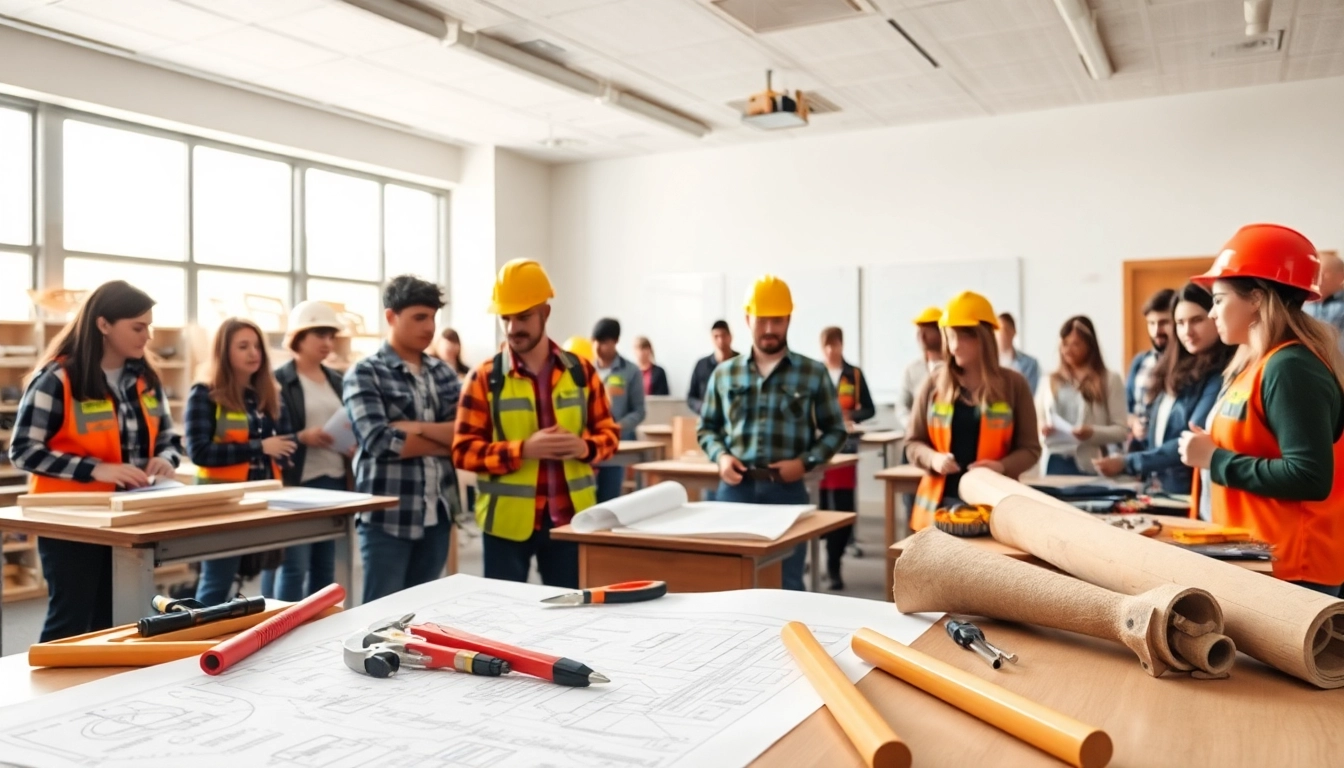
Understanding the Importance of Construction Education
What is Construction Education?
Construction education encompasses a wide array of training programs, courses, and certifications aimed at equipping individuals with the necessary skills and knowledge to thrive in the construction industry. This field of education combines theoretical learning with practical experience, focusing on various aspects of construction, including project management, building techniques, safety protocols, and compliance with industry regulations. By participating in construction education, learners can acquire the competencies needed to advance their careers or enter the workforce effectively.
The Role of Construction Education in Career Development
Construction education plays a pivotal role in career advancement within the industry. As the construction landscape evolves, employers seek individuals who are not only skilled but also possess updated knowledge about current technologies and practices. Effective construction education programs provide aspiring construction professionals with the foundational skills required, such as reading blueprints, understanding building codes, and managing teams effectively. Additionally, many programs incorporate soft skill development, which is essential for effective communication and collaboration on job sites.
Benefits of Vocational Training in Construction
Vocational training offers numerous benefits for individuals pursuing a career in construction. First and foremost, it allows students to engage in hands-on learning experiences that traditional educational paths may not offer. This practical training often leads to improved job readiness, as students can immediately apply their skills in real-world scenarios. Moreover, vocational training programs are frequently shorter in duration than four-year college degrees, making them an efficient option for those looking to enter the workforce quickly. Other benefits include lower tuition costs, flexible scheduling options, and opportunities for apprenticeships, which can lead to employment right after completion.
Core Components of Effective Construction Education
Hands-On Training Approaches
Hands-on training is a cornerstone of effective construction education. This approach allows students to engage with tools, materials, and techniques directly, fostering a deeper understanding of the construction process. Implementing simulation-based learning environments, workshops, and field trips to active construction sites can enhance students' practical knowledge. Such experiences also help build confidence and competence, as learners become familiar with the challenges they will face in real-world settings. Additionally, hands-on training aids in developing problem-solving skills, critical for successful outcomes in construction projects.
Integration of Technology in Learning
As technology continues to innovate the construction industry, integrating it into education is critical. Construction education programs can benefit from leveraging software tools, such as Building Information Modeling (BIM), project management applications, and simulation software. Utilizing these technologies in training allows students to become proficient in modern tools that enhance productivity and collaboration on construction projects. Online learning platforms and virtual classes also facilitate access to construction education for individuals in remote areas, helping to broaden the reach of these essential programs.
Industry Standards and Compliance in Curriculum
Incorporating industry standards and compliance into the curriculum of construction education is essential for preparing students to meet regulatory demands. A comprehensive education should cover local building codes, safety standards, environmental regulations, and industry best practices. This curriculum can include case studies highlighting real-life compliance issues faced in construction projects, preparing students to navigate similar situations in their careers. Collaborating with industry professionals to keep curriculum content updated ensures that students learn the most current standards and practices.
Challenges in Construction Education
Addressing Skills Gaps in the Industry
One of the primary challenges facing construction education is bridging the skills gap in the industry. As the demand for skilled labor rises, many educational institutions must adapt their programs to ensure that graduates possess the necessary practical skills. This may involve partnering with employers to identify specific skills in demand and incorporating them into training curriculums. Additionally, focusing on soft skills such as teamwork, leadership, and communication can empower graduates to excel in the workforce.
Overcoming Barriers to Access
Access to construction education can be hindered by various barriers, such as geographical limitations, financial constraints, and lack of awareness about available programs. Developing online courses and hybrid learning options can help reach a broader audience, particularly those in rural areas or with transportation issues. Offering scholarships, financial aid programs, and partnerships with local businesses can further reduce financial barriers and promote diversity within the construction workforce.
Retention Issues in Construction Programs
Retention in construction education programs often presents a challenge due to the demanding nature of the industry. Many students may find the physical and academic rigors overwhelming and drop out before completing their training. To combat this, programs can implement mentorship initiatives, creating strong support networks among students and instructors. Additionally, flexible scheduling and tailored learning paths can help accommodate the diverse needs of students, increasing their likelihood of staying in the program.
Innovative Practices in Construction Education
Project-Based Learning Techniques
Project-based learning (PBL) has emerged as an effective educational strategy within construction education. This hands-on approach allows students to engage in real-life construction projects that require collaboration, problem-solving, and critical thinking. By working in teams, students learn to manage project timelines, budgets, and resources, mirroring the actual responsibilities they will face in the workforce. PBL not only enhances technical skills but also cultivates creativity and innovation, crucial traits for thriving in the construction sector.
Collaborative Learning Environments
Creating collaborative learning environments fosters teamwork and communication, which are vital in construction projects. By organizing group activities, discussions, and workshops, educational institutions can simulate a construction site atmosphere where collaboration is key. Instructors can facilitate peer-to-peer learning, where students share their unique skills and knowledge, further enriching the learning experience. Encouraging collaboration also prepares students for the realities of working in diverse teams on-job sites, enhancing their adaptability and social skills.
Mentorship and Industry Partnerships
Strong mentorship and partnerships with industry professionals can significantly enhance construction education. These relationships provide students with direct insights into the industry, including current trends, challenges, and job opportunities. Mentoring programs can connect students with experienced professionals who offer guidance, support, and networking opportunities. Moreover, collaborating with local construction companies on projects, internships, or curriculum development ensures that education remains relevant and aligned with industry demands.
Measuring the Impact of Construction Education
Performance Metrics for Success
Measuring the success of construction education programs involves establishing performance metrics that reflect student outcomes and program effectiveness. Metrics may include graduation rates, job placement rates, and student satisfaction surveys. Further analysis can be conducted on how graduates perform in their jobs, assessing their skills, competencies, and readiness for the workforce. These metrics help institutions identify areas for improvement, ensuring that programs evolve to meet the dynamic needs of the construction industry.
Long-Term Career Outcomes
The long-term success of graduates from construction education programs can be evaluated through career progression, salary growth, and job stability. By tracking alumni career paths, educational institutions can gain insights into the effectiveness of their programs in preparing students for the workforce. This information can also inform curriculum development, ensuring that it aligns with professional growth trends in the industry. Continued engagement with alumni can provide valuable feedback and foster a strong community among graduates.
Feedback and Continuous Improvement
Continuous improvement in construction education relies heavily on feedback loops from students, industry partners, and educators. Collecting feedback through surveys, focus groups, and meetings allows programs to assess their effectiveness and identify areas needing enhancement. Implementing an adaptive learning approach ensures that program content evolves alongside industry changes, ultimately benefiting both students and employers. Ongoing professional development for instructors also plays a critical role in maintaining high-quality education standards.
Frequently Asked Questions
1. What qualifications can I earn through construction education?
Through construction education, you can earn various qualifications, including diplomas, certifications, and degrees in areas like project management, building and construction technologies, and safety compliance.
2. How long does construction education typically take?
The duration varies based on the program type. Vocational courses may last a few months, while degree programs can take two to four years to complete.
3. Are online construction education programs available?
Yes, many institutions offer online programs in construction education, providing flexible learning options suitable for diverse schedules and locations.
4. What career opportunities are available after completing construction education?
Graduates can pursue opportunities such as project managers, site supervisors, construction estimators, and safety officers within various sectors of the construction industry.
5. How does hands-on training benefit construction education?
Hands-on training equips students with practical skills, boosts confidence, fosters problem-solving abilities, and prepares them for real-world challenges faced in construction jobs.