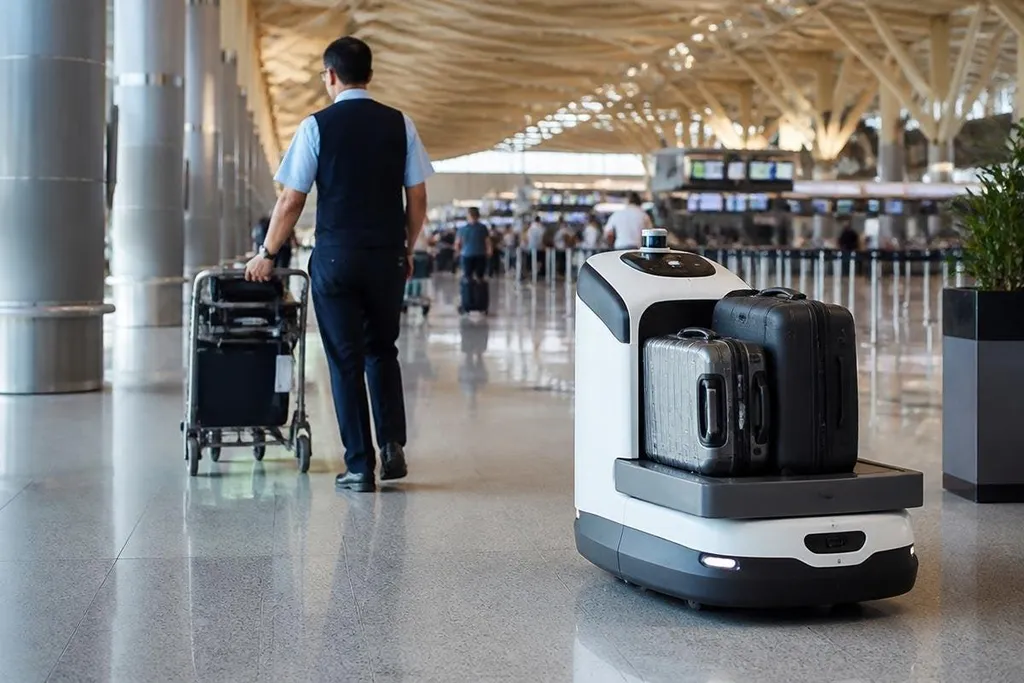
Understanding the Human Interface with AI
The rise of artificial intelligence (AI) has transformed not only how we work but also how we interact with technology. The concept of the Human Interface with AI revolves around the seamless integration of human cognitive functions and machine learning capabilities, creating an ecosystem where technology enhances human potential. This article delves into the intricacies of this interface, exploring its history, applications, and best practices, along with the future it promises.
What is Human Interface with AI?
The Human Interface with AI refers to the dynamic interactions between humans and artificial intelligence systems. This interaction can be visualized as a multi-layered relationship where AI systems analyze vast amounts of data, while humans make decisions based on insights drawn from this information. Effective human-AI interaction goes beyond basic command and response formats, developing into more collaborative engagements where both entities learn from one another.
History and Evolution of AI Interfaces
The history of AI interfaces stretches back several decades, with the initial attempts primarily focused on rule-based systems. These early models operated on predefined rules, limiting their flexibility and learning capacity. As the field progressed, the emergence of machine learning algorithms drastically changed the landscape. The evolution from simplistic interfaces to advanced natural language processing entities like chatbots and virtual assistants signifies a monumental leap in how humans engage with AI.
In recent years, the introduction of voice recognition, gesture control, and emotion detection technologies have further improved the interaction experience, enabling more human-like interactions. Each step of this evolution reflects deeper integration into everyday tasks, making AI an indispensable partner in both personal and professional settings.
Key Components of Effective Human-AI Interaction
To facilitate a productive human-AI relationship, certain components are essential:
- Contextual Understanding: AI systems must understand the context of interactions, recognizing user needs and preferences.
- Transparency: Clear communication on how AI systems make decisions fosters trust and reduces user anxiety.
- Feedback Mechanisms: Providing users with feedback enhances engagement and helps refine AI responses.
- Emotion Recognition: AI's ability to detect emotions enhances the interaction, making it more relatable.
- Customization: Users should have options to tailor AI behavior to better fit their personal workflows.
Applications of Human Interface with AI in Various Industries
Healthcare Innovations and AI Integration
In healthcare, the Human Interface with AI has led to significant advancements, from predictive analytics that forecast outbreaks to personalized medicine tailored to individual genetics. AI systems assist doctors by analyzing patient data swiftly, offering diagnostic insights and suggesting treatment plans. The collaborative nature of AI in healthcare not only streamlines workflows but also empowers medical professionals to make more informed decisions, ultimately enhancing patient care.
Business Process Optimization through AI
Businesses leverage AI to optimize processes, reduce costs, and enhance customer service. For instance, AI-driven analytics refine marketing strategies by predicting consumer behavior and personalizing campaigns. In supply chain management, AI optimizes logistics by analyzing patterns and predicting potential disruptions. This proactive approach can significantly boost operational efficiency, making businesses more competitive.
Educational Tools Utilizing Human Interface with AI
The education sector has embraced the Human Interface with AI by integrating smart tutoring systems that adapt to individual learning paces. These tools analyze students' progress and provide personalized learning pathways. Furthermore, AI enhances administrative tasks, freeing educators to focus on teaching rather than paperwork. In this environment, collaborative learning fosters a deeper understanding of material, preparing students for a tech-driven future.
Best Practices for Implementing Human Interface with AI
Designing Intuitive User Experiences
To ensure successful human-AI partnerships, the design of user interfaces should prioritize intuitiveness and accessibility. This involves user-centric design principles that consider diverse user demographics, cognitive capabilities, and cultural contexts. A well-thought-out user interface can significantly enhance engagement and productivity by facilitating an effortless interaction flow.
Ensuring Ethical Use of AI Technologies
As AI technologies evolve, ethical considerations become paramount. Ensuring accountability in AI-driven decisions and preventing biased outcomes involves adopting guidelines that establish ethical frameworks for AI use. Regular audit processes can help identify potential ethical dilemmas and mitigate risks, maintaining user trust and fostering a positive perception of AI technologies.
Continuous Learning and Adaptation Strategies
AI systems should be designed for continuous learning, allowing them to adapt based on user interactions and evolving data trends. Implementing feedback loops can facilitate this growth, ensuring that the system not only improves over time but also meets the changing needs of users. This adaptability is crucial for maintaining relevance and effectiveness in various applications.
Challenges and Considerations in Human Interface with AI
Addressing User Resistance and Fear
User resistance to AI integration often stems from fear of the unknown or misconceptions about AI capabilities. Providing comprehensive education on AI technologies, alongside highlighting successful case studies, can alleviate these concerns. Encouraging user involvement in the development process can also foster a sense of ownership and reduce apprehensions about embracing new technologies.
Maintaining Privacy and Data Security
With advancements in AI come significant responsibilities regarding user data privacy. Robust data protection measures must be implemented to safeguard sensitive information. Transparent data handling practices, along with clear communication of privacy policies, empower users to make informed decisions about their data usage.
Managing Technological Limitations
While AI has vast potential, current limitations such as biases in algorithms and data dependency must be acknowledged. Proactively monitoring AI performance and using diverse datasets can help reduce biases. Collaboration among technologists, ethicists, and industry leaders can also address and mitigate these limitations, ensuring AI systems serve all users effectively.
The Future of Human Interface with AI
Trends Shaping the Next Generation of AI Interactions
Future human-AI interactions will likely be characterized by deeper integration and increased personalization. Trends such as augmented reality (AR) and virtual reality (VR) will create immersive experiences, enabling users to interact with AI in more natural environments. Moreover, advancements in AI conversational capabilities will lead to more human-like interactions, breaking down barriers between users and machines.
Predictions for AI-Driven Job Evolution
As AI systems become more prevalent, job roles will inevitably evolve. While some positions may be displaced, new opportunities will arise in AI development, management, and oversight. Upskilling and reskilling initiatives will be crucial in preparing the workforce for these transitions, highlighting the importance of lifelong learning in an AI-driven economy.
Preparing for a Sustainable Future in Human-AI Collaboration
The sustainable future of human-AI collaboration hinges on fostering a balanced relationship where technology enhances human capability without compromising ethical standards. Stakeholders from various sectors must collaborate to establish a foundation that embraces innovation while being mindful of its societal implications. Advocating for inclusive and equitable AI deployment ensures that all communities can benefit from advancements, paving the way for sustainable growth.
Frequently Asked Questions
What is Human Interface with AI?
The Human Interface with AI refers to how humans and AI systems interact, enhancing workflows and decision-making through collaborative technology.
How has AI transformed healthcare?
AI has revolutionized healthcare by providing predictive analytics, accelerating diagnostics, and facilitating personalized medicine tailored to individual patient needs.
What are the ethical concerns regarding AI?
Ethical concerns include algorithmic bias, privacy issues, and ensuring accountability in AI-driven decisions affecting users and communities.
How can user resistance to AI be mitigated?
Education about AI benefits, successful case studies, and involving users in deployment processes can help reduce resistance and foster acceptance.
What is the future of jobs in an AI-driven world?
Jobs will evolve with AI integration; while some roles may disappear, new opportunities focused on AI development and management will emerge, necessitating reskilling.