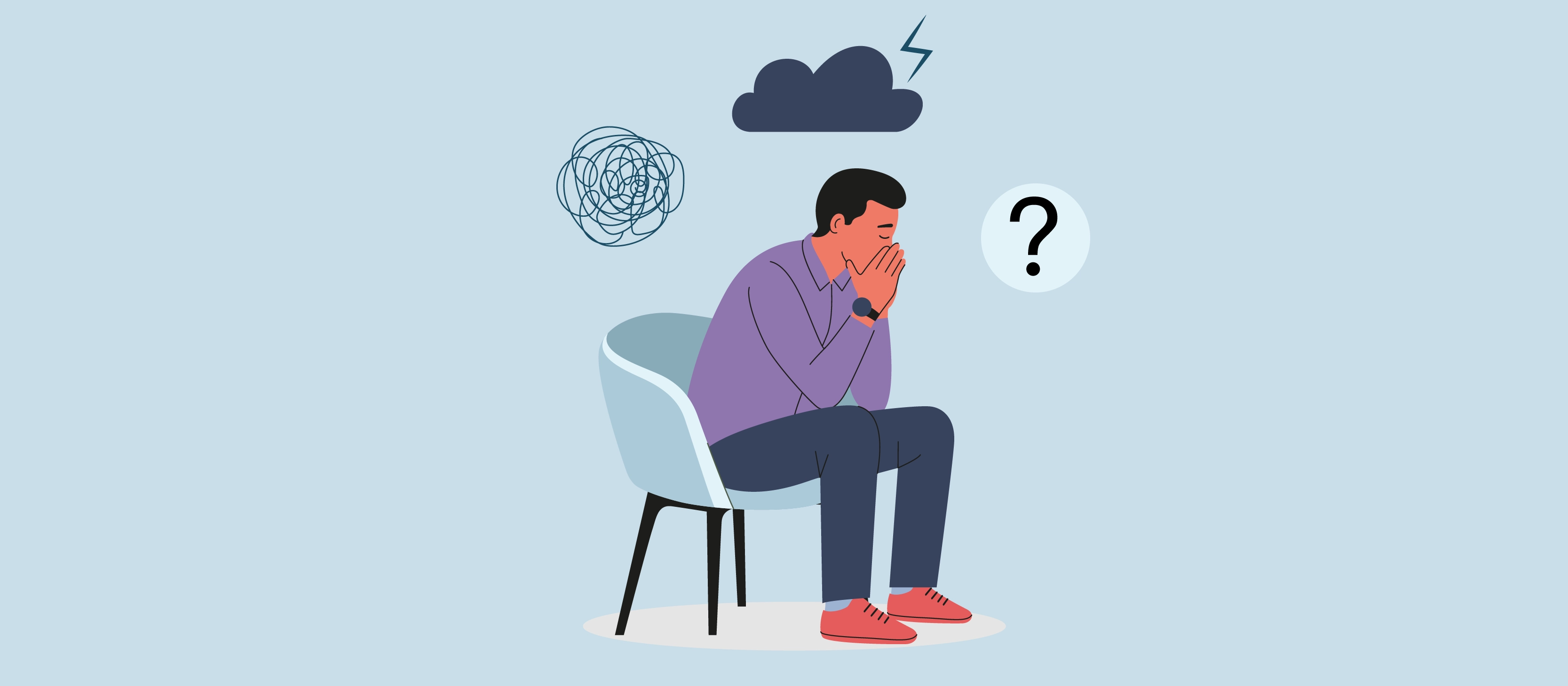
Understanding our emotions can sometimes be confusing. Everyone feels down occasionally, but how do you know when sadness crosses the line into depression? Recognizing Depression symptoms early is essential for emotional health and timely intervention. In this article, we’ll explore the differences between normal sadness and clinical depression, helping you identify warning signs, understand causes, and know what steps to take.
What Is Sadness?
Sadness is a natural human emotion that everyone experiences at some point. It often appears in response to challenges, disappointments, or losses. Sadness is usually temporary and tends to fade as situations improve or as time passes.
Characteristics of sadness include:
- Feeling down or low in mood
- Mild irritability or frustration
- Tearfulness or occasional crying
- Temporary loss of interest in activities
Sadness is generally proportional to the situation. For example, missing a friend who moved away may cause a few days of feeling down, but this usually improves with time and support.
What Is Depression?
Depression is more than feeling sad. It is a mental health condition that affects mood, thoughts, and daily functioning. Depression can persist for weeks, months, or even years without treatment, significantly impacting a person’s quality of life.
Common depression symptoms include:
- Persistent sadness or emptiness that lasts most of the day
- Loss of interest or pleasure in activities once enjoyed
- Changes in appetite or weight
- Sleep disturbances, including insomnia or oversleeping
- Fatigue or low energy
- Difficulty concentrating, making decisions, or remembering details
- Feelings of worthlessness or excessive guilt
- Physical symptoms such as headaches or stomachaches
- Thoughts of death or suicide in severe cases
Unlike sadness, these symptoms do not necessarily have a clear trigger and often interfere with school, work, or relationships.
Key Differences Between Sadness and Depression
Understanding the distinctions between normal sadness and depression symptoms can help in identifying when professional help is needed.
FeatureSadnessDepression SymptomsDurationShort-term, usually days to a weekPersistent, lasting at least two weeks or moreTriggerUsually linked to specific eventsCan occur without a clear causeIntensityModerate and manageableIntense, overwhelming, and can affect daily lifeFunctioningGenerally able to continue daily activitiesDifficulty performing routine tasksRecoveryImproves with social support, time, or distractionRequires professional help, therapy, or medication
Real-Life Example
Imagine two students, Sara and Ahmed. Sara failed a test and felt sad for a few days. She cried, spoke to her friends, and gradually felt better. Ahmed, however, has been feeling low for months. He struggles to get out of bed, avoids his hobbies, and loses interest in seeing friends. Ahmed may be experiencing depression, whereas Sara is experiencing normal sadness.
Causes of Depression
Depression can result from a combination of biological, psychological, and social factors. Understanding these causes can help in recognizing depression symptoms.
Biological factors:
- Genetics or family history of depression
- Chemical imbalances in the brain
- Hormonal changes
Psychological factors:
- Chronic stress or trauma
- Low self-esteem
- Negative thought patterns
Social factors:
- Isolation or lack of support
- Relationship difficulties
- Financial or work-related stress
Common Types of Depression
Different types of depression may present with unique symptoms. Recognizing them can help identify the condition early.
Major Depressive Disorder (MDD): Severe, persistent depression affecting daily life.Persistent Depressive Disorder (Dysthymia): Mild to moderate symptoms lasting two years or longer.Seasonal Affective Disorder (SAD): Depression linked to seasonal changes, usually in winter.Postpartum Depression: Occurs after childbirth and affects emotional and physical health.
How Depression Symptoms Affect Daily Life
Depression can impact multiple aspects of life, including:
- School and work: Poor concentration, missed deadlines, decreased productivity
- Relationships: Social withdrawal, irritability, or communication difficulties
- Physical health: Fatigue, headaches, digestive issues
- Decision-making: Difficulty making choices or remembering important details
Understanding these impacts can help recognize when sadness has escalated into depression.
Practical Coping Strategies
While professional help is essential for depression, certain strategies can support emotional well-being and reduce symptoms:
- Stay connected: Talk to friends, family, or support groups. Isolation worsens depression.
- Maintain a routine: Regular sleep, meals, and activities stabilize mood.
- Physical activity: Exercise boosts mood by releasing endorphins.
- Mindfulness and relaxation: Meditation, deep breathing, or yoga can reduce stress.
- Set realistic goals: Break tasks into small steps to avoid feeling overwhelmed.
- Limit alcohol and drugs: Substance use can worsen depression symptoms.
When to Seek Professional Help
If you notice any of the following signs, it’s important to seek help from a mental health professional:
- Persistent sadness or irritability lasting more than two weeks
- Loss of interest in previously enjoyable activities
- Difficulty performing daily tasks
- Thoughts of self-harm or suicide
Early intervention can prevent depression from worsening and improve recovery outcomes.
Myths About Depression
Understanding common misconceptions can prevent confusion between sadness and depression:
- Myth 1: Depression is just sadness.Fact: Depression involves persistent, overwhelming symptoms that interfere with daily life.
- Myth 2: You can “snap out of it.”Fact: Depression is a medical condition that often requires therapy or medication.
- Myth 3: Only adults experience depression.Fact: Teenagers and children can also experience depression symptoms.
Supporting Someone With Depression
Supporting a loved one can make a significant difference. Ways to help include:
- Listen without judgment
- Encourage seeking professional help
- Offer practical support, like helping with chores
- Be patient and understanding of mood changes
Conclusion
While sadness is a normal emotion, depression symptoms are persistent, intense, and interfere with daily life. Recognizing the difference is crucial for emotional health. Early identification, combined with support and professional care, can make a meaningful difference. Remember, seeking help is a sign of strength, not weakness. Emotional well-being matters, and no one has to face depression alone. Our homepage is the perfect place to begin your learning journey.
FAQs
What are the earliest depression symptoms to watch for?
Early signs of depression include persistent sadness, loss of interest in activities, changes in sleep or appetite, fatigue, and difficulty concentrating. Recognizing these early can lead to timely intervention.
How can I tell if someone is sad or depressed?
Sadness usually has a clear trigger, lasts a short time, and allows normal functioning. Depression is persistent, intense, and affects daily activities, even without a specific reason.
Can depression be treated without medication?
Yes, therapy, lifestyle changes, social support, and coping strategies can help manage depression. However, in moderate to severe cases, a combination of therapy and medication is often most effective.