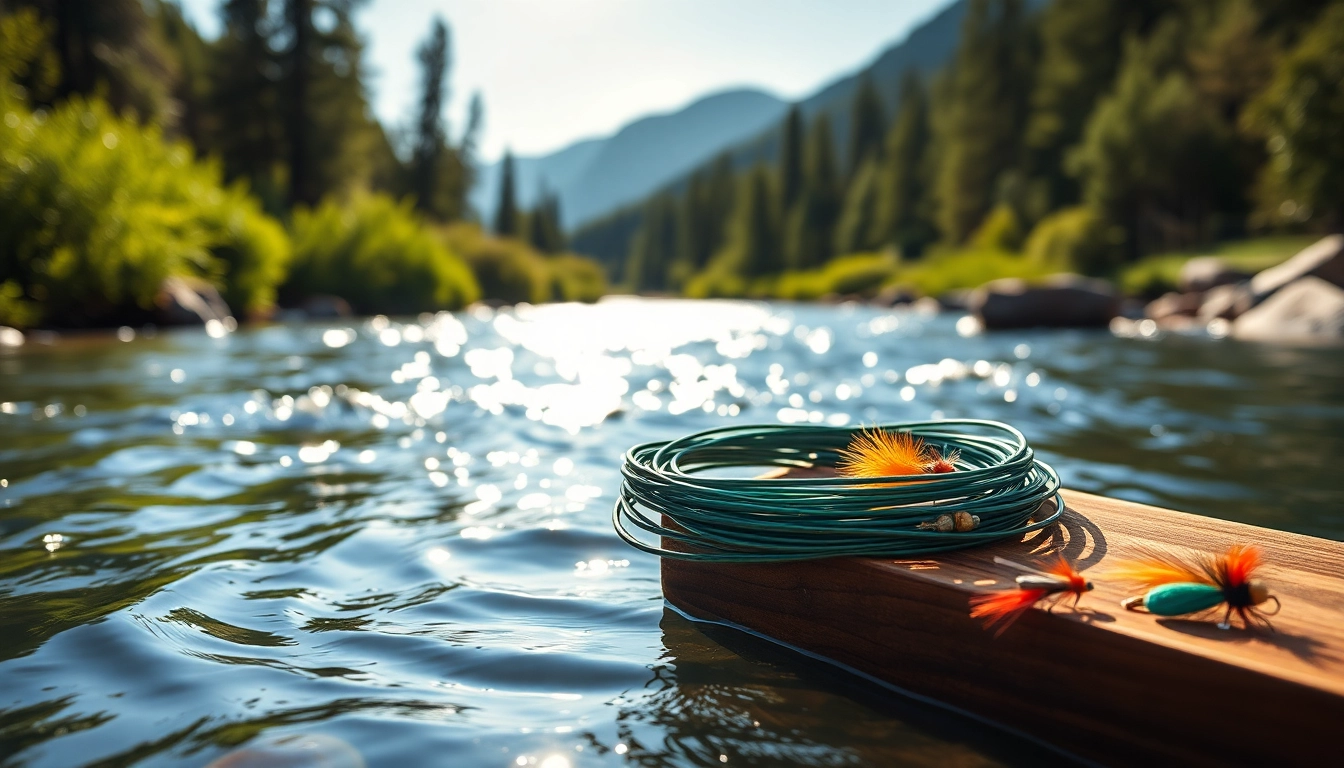
Understanding Fly Fishing Tippet Basics
What is Fly Fishing Tippet?
Fly fishing tippet is an essential component of the fly fishing setup, acting as the thin line that connects the fly to the fly line. It is typically used in conjunction with a leader line for optimal performance and is designed to be inconspicuous to fish. The tippet's diameter can vary, enabling anglers to match their tackle to the fishing conditions and species targeted. While tippet serves a seemingly simple function, it plays a critical role in the success of any fly fishing endeavor, significantly influencing both the presentation of the fly and the angler's ability to hook and land fish.
Types of Fly Fishing Tippet Materials
Understanding the different materials used for fly fishing tippet is vital for selecting the right one for your fishing conditions. The two most common materials are monofilament and fluorocarbon.
- Monofilament: This is the more traditional option, made from a single strand of nylon. Monofilament tippets are known for their stretchiness, making them more forgiving when fish strike. They are easier to handle, especially when tying knots, but they are more visible underwater, which can deter cautious fish.
- Fluorocarbon: This type is made from polyvinylidene fluoride, which renders it nearly invisible underwater due to its refractive index, closely matching that of water. Fluorocarbon is less stretchy than monofilament and has greater sensitivity, allowing for better feel when a fish bites. It's ideal for clear water and spooked fish, but can be more challenging to work with due to its stiffness.
Importance of Fly Fishing Tippet in Catching Fish
The importance of fly fishing tippet cannot be overstated. A properly chosen tippet enhances the effectiveness of your fly, aiding in a more natural presentation and increasing your chances of enticing fish. The thin diameter allows for a better drift of the fly, particularly important in fly fishing, where subtlety is key. Moreover, using the correct tippet ensures that the line can withstand the pull of a fish during a fight, reducing the risk of breakage, while also facilitating smoother connections in both casting and landing fish. By mastering the art of selecting the right tippet, anglers can significantly improve their fishing outcomes. The role of a well-matched fly fishing tippet is thus a cornerstone of effective fly fishing.
Selecting the Best Fly Fishing Tippet for Your Needs
Factors to Consider When Choosing Tippet
When it comes to selecting a tippet, several crucial factors must be taken into account:
- Fish Species: Different species of fish have varying levels of caution and strength. For example, fishing for large trout may require heavier tippets while targeting smaller panfish can allow for lighter lines.
- Water Conditions: Clear, calm waters call for lighter, more transparent tippets to avoid spooking fish. Conversely, murky waters may afford the use of heavier, more visible tippets without impacting catch rates.
- Weather Conditions: Factors such as wind, rain, or snow can impact casting distance and accuracy, thereby influencing your tippet selection. In windy conditions, a heavier tippet may resist blowing off course.
- Fly Size: Larger flies may require thicker tippets to ensure proper presentation and hook set, while smaller flies can be fished effectively with finer tippets.
Matching Tippet Strength with Fly Size
When matching tippet strength to fly size, it is important to consider both the weight of the fly and the fish you intend to catch. A general rule of thumb is to use a tippet that has a breaking strength approximately four to five times greater than the weight of the fly. This ensures that when a fish strikes, the tippet can withstand the force without breaking. For instance, if using a #16 dry fly, which weighs around 0.4 grams, a tippet with a breaking strength of 4 to 5 pounds would be appropriate. This balancing act is crucial to avoid breakage while still providing a natural fly presentation.
Understanding Tippet Length and Its Impact
The length of the tippet is another critical factor that can impact your success while fishing. Generally, tippets range between 3 to 8 feet in length, and the choice depends on the conditions and techniques you're using:
- Shorter Tippets: Ideal for heavy, fast-moving waters where increased strength is necessary to withstand the current and reach fish lurking near the bottom.
- Longer Tippets: Better for calm conditions or clear waters where a longer presentation may help in enticing more cautious fish. Longer tippets allow for improved drag-free drift, making your fly appear more realistic.
Advanced Techniques Using Fly Fishing Tippet
Double Tippet Knots for Extra Strength
One way experienced anglers enhance durability and reliability is by using double tippet knots. This technique involves doubling the tippet line before tying the knot, providing enhanced strength against breakage during the fight with larger fish. Popular double knot techniques include the Double Surgeon’s Knot and the Double Uni Knot. By employing these knots, anglers can increase their confidence in their rig's performance, especially in demanding fishing situations.
Tippet to Leader Connection: Tips and Tricks
Successfully connecting tippet to the leader requires precision, as this juncture is often a weak spot in the fly fishing setup. The ideal knot to use for this connection is often a Clinch Knot or another efficient knot that secures the tippet tightly without slipping. It is also essential to wet the knot before pulling tight, as this prevents damage to the line from friction. Finally, allowing for a small length of tippet beyond the knot will help ensure smooth casting and reduce tangling.
Using Tippet in Different Water Conditions
The choice of tippet can vary significantly depending on water conditions. In fast-flowing rivers, anglers might opt for thicker tippets to withstand strong currents and maintain control. Conversely, in still or slow-moving waters, a more delicate approach with lighter tippets can yield better results, as fish may become more wary of unnatural disturbances.
In addition, murky waters allow for slightly heavier tippets since visibility concerns are mitigated, while clear waters call for finer tippets to ensure a stealthy presentation. Adapting your tippet strategy to match the specific conditions enhances the likelihood of a successful fishing trip.
Common Mistakes to Avoid with Fly Fishing Tippet
Overloading Your Tippet
One of the most frequent errors anglers make is overloading their tippet, which can lead to breakage at critical moments. This can happen when the tippet is not aligned with the size of the fly or fish. To avoid this, always ensure you match the tippet strength adequately for the targeted species and give room for the additional force exerted during fights.
Ignoring Tippet Maintenance
Failure to maintain tippet quality can lead to unexpected failures. Regularly check for signs of fraying, nicks, or abrasions, particularly after a fight with a fish. Even if it appears intact, tensile strength can be compromised over time, negatively affecting your performance. It's recommended to replace your tippet if you frequently fish in abrasive environments like rocky rivers.
Using the Wrong Tippet for Your Fly
Matching the tippet to the fly size is critical; using an inappropriate size can reduce your chances of landing a catch. If your tippet is too heavy for a delicate dry fly or too light for a heavy streamer, you risk either spooking the fish or breaking the line. Always consider the characteristics of your fly and the species you're targeting when selecting your tippet.
FAQ: Fly Fishing Tippet
What is the best material for fly fishing tippet?
Fluorocarbon is often preferred for its invisibility underwater, while monofilament is easier to handle.
How do I choose the right tippet size?
Match the tippet size to your fly and the type of fish you are targeting to avoid breakage.
Can I use tippet for different types of fishing?
While designed for fly fishing, tippet can also work for light line fishing techniques.
How often should I replace my fly fishing tippet?
Replace your tippet if it's frayed or after frequent use to ensure reliable performance.
What knot should I use for attaching tippet?
The Clinch Knot is popular for its strength and simplicity in connecting tippet to the leader or fly.