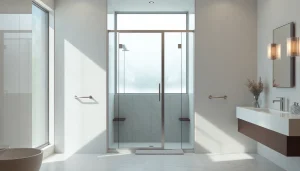
Understanding the Sliding Shower Door
What is a Sliding Shower Door?
A sliding shower door serves as a pivotal fixture in modern bathrooms, offering an elegant and space-saving solution for shower enclosures. Unlike traditional swing doors that require ample room to open outward, sliding doors operate on a track system, gliding smoothly from side to side. This design is perfect for compact spaces and adds a contemporary flair to your bathroom decor.
Benefits of Choosing a Sliding Shower Door
Opting for a sliding shower door comes with numerous advantages:
- Space Efficiency: Ideal for smaller bathrooms, sliding doors maximize available space.
- Contemporary Aesthetic: Available in various styles and finishes, they enhance the overall look of the bathroom.
- Ease of Access: The sliding mechanism makes it simple to enter and exit the shower with minimal effort.
- Seamless Design: Many designs are frameless, creating a sleek visual that can make your bathroom appear larger and more open.
Common Features and Styles
Sliding shower doors come in various styles, from framed and semi-frameless to completely frameless options. Common features include:
- Glass Thickness: Varying from 3/16 to 1/2 inch, thicker glass provides greater durability.
- Track System: Can be concealed or exposed; concealed tracks offer a cleaner look.
- Finishing Options: Available in chrome, brushed nickel, matte black, and more to match your decor.
- Magnetic Seals: Enhanced waterproofing and easier closure are offered through magnetic seals.
Installation Process for Sliding Shower Door
Preparation and Tools Needed
Before starting the installation of your sliding shower door, ensure you have all necessary materials and tools. Here’s a basic checklist:
- Sliding shower door kit
- Drill and drill bits
- Screwdriver
- Measuring tape
- Level
- Rubber mallet
- Caulk and caulk gun
- Safety glasses and gloves
Steps to Install a Sliding Shower Door
- Measure the Opening: Take accurate measurements of your shower area to ensure the door fits perfectly.
- Install the Track: Begin by installing the top and bottom tracks according to the manufacturer’s instructions, ensuring they are level.
- Attach Door Panels: Insert the door panels into the track, securing them in place using screws as needed.
- Add Seals: Install any weather stripping or seals to prevent water leakage.
- Test the Door: Slide the door back and forth to ensure smooth operation.
- Final Adjustments: Make any necessary adjustments and apply caulk around the edges for waterproofing.
Safety Tips During Installation
Ensuring safety throughout your installation process is paramount. Consider the following tips:
- Wear safety goggles to protect your eyes while drilling.
- Use gloves to avoid cuts from glass edges.
- Ensure the area is clear of obstacles to prevent slips and falls.
- Have a helper if the door is large or heavy to avoid injury.
Maintenance Tips for Your Sliding Shower Door
Routine Cleaning Guidelines
Regular maintenance can prolong the life and appearance of your sliding shower door. Follow these cleaning guidelines:
- Use a soft, non-abrasive cloth to clean glass surfaces.
- Utilize a mild detergent or vinegar solution to prevent soap scum buildup.
- Rinse thoroughly with warm water to remove all soap residues.
- Wipe down metal tracks and hardware with a damp cloth; lubricate tracks occasionally.
Dealing with Common Issues
Even with proper care, you may face some common issues:
- Sticking Door: If your sliding door sticks, clean the track and apply a silicone lubricant.
- Water Leaks: Check and replace seals if necessary to eliminate leaks.
- Scratches or Marks: For minor scratches, use a glass cleaner; for deeper issues, consider professional repair.
Long-term Care and Maintenance
For extended durability, consider these long-term care tips:
- Perform a thorough inspection of tracks and seals every few months.
- Consider professional cleaning and servicing annually to keep everything in top shape.
- Replace any worn parts immediately to prevent further issues.
Choosing the Right Sliding Shower Door
Factors to Consider Before Purchase
Before making a purchase, assess the following factors:
- Space Availability: Measure your shower area to ensure a proper fit.
- Style Preference: Choose a style that complements your bathroom theme.
- Glass Type: Consider safety and thickness; tempered glass is often recommended.
- Ease of Installation: Opt for designs that suit your DIY expertise or consider professionals if necessary.
Comparing Materials and Styles
Different materials and styles offer various advantages:
- Framed vs. Frameless: Framed doors provide more support but frameless doors offer a sleek look.
- Glass Types: Choose between clear, frosted, or patterned glass based on privacy needs.
- Finish Options: Evaluate finishes to find the best match for your hardware and fixtures.
Cost Considerations for Sliding Shower Door
The cost of a sliding shower door can vary widely based on style, size, and material:
- Basic sliding doors typically range from $700 to $2,000.
- Custom options can increase significantly, depending on specifications.
- Factor in installation costs if you plan to hire a professional.
FAQs About Sliding Shower Door
How much do sliding shower doors cost?
Prices typically range from $700 to $2,000 depending on material, size, and style. Custom options may cost more.
What is the best material for sliding shower doors?
Tempered glass is often recommended for its durability and safety, available in various thicknesses and finishes.
How do I maintain my sliding shower door?
Regular cleaning with a soft cloth and non-abrasive cleaner, plus periodic inspections of tracks and seals, will suffice.
Can I install a sliding shower door myself?
Yes, with proper tools and careful measurement, many homeowners can successfully install their own sliding shower doors.
Are sliding shower doors suitable for small bathrooms?
Absolutely! Sliding doors are space-efficient and a perfect choice for smaller bathrooms, as they do not require clearance for swinging open.