Understanding Microwave Oven Types
Microwave ovens are among the most versatile kitchen appliances, providing a fast and efficient means to cook, heat, and defrost food. To effectively choose the right microwave oven, it’s essential to understand the different types available. This section will delve into the primary categories of microwave ovens, exploring their unique attributes to help you make an informed decision.
Countertop Microwave Oven
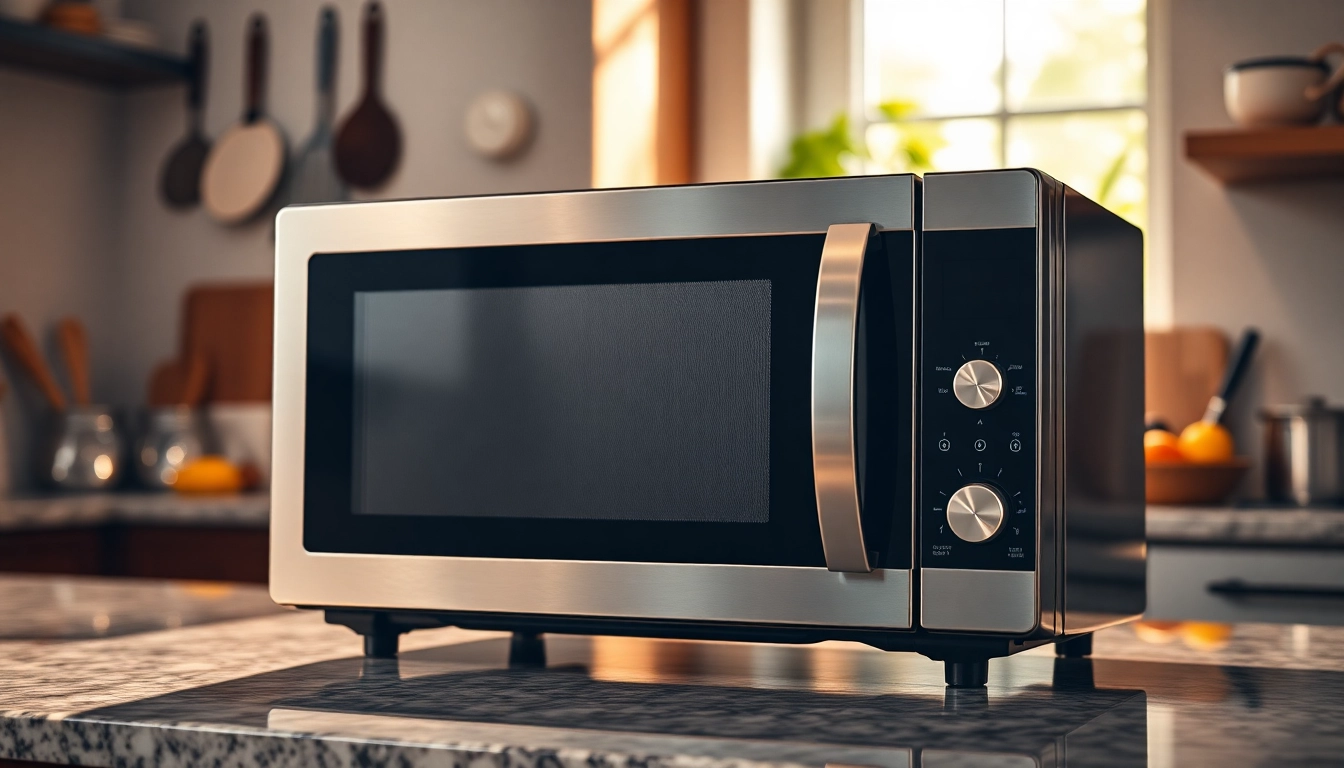
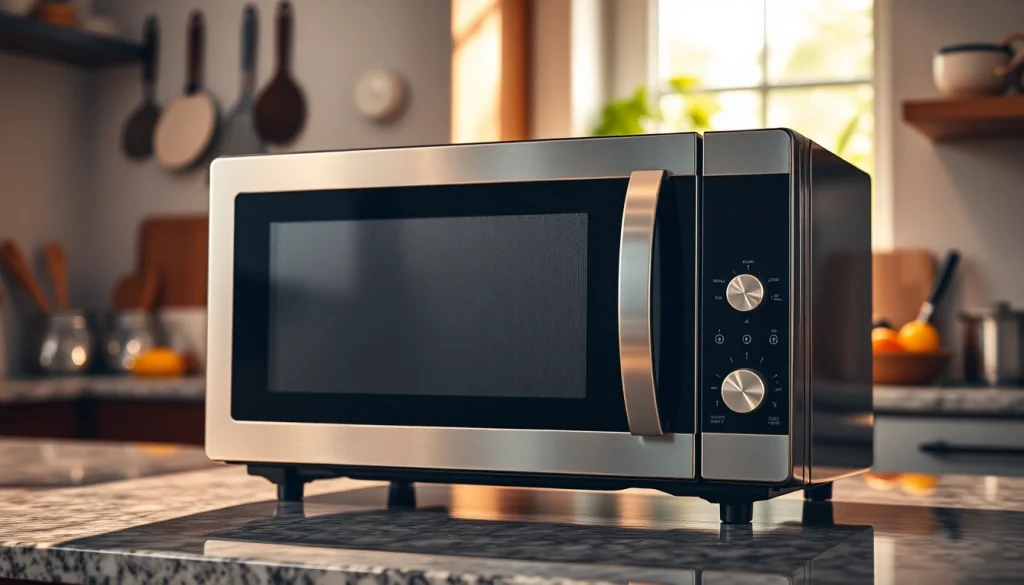
Countertop microwave ovens are the most common type, offering a plug-and-play solution for any kitchen. These models vary in size, power, and features:
- Space Efficiency: They require no installation and can easily fit on any countertop. This makes them perfect for apartments, dorms, or kitchens with limited space.
- Price Range: Typically more affordable than built-in options, they suit a range of budgets.
- Versatility: Most countertop models come with various preset cooking functions, making it easy to heat or cook specific foods.
- Portability: Moving? Just unplug and carry it along!
However, their main drawback is that they take up counter space which could be used for food preparation or other kitchen tasks.
Over-the-Range Microwave Oven
Over-the-range microwave ovens serve a dual purpose: cooking food while doubling as a range hood. They are mounted above the stove and come with built-in ventilation systems:
- Space-Saving: Free up counter space by incorporating the microwave into your cabinetry design.
- Ventilation: Effective for removing smoke and cooking odors, enhancing kitchen air quality.
- Features: Often equipped with additional cooking features and higher power levels compared to countertop models.
The limitation lies in the installation process, which can be complicated and require professional assistance.
Built-In Microwave Oven
Built-in microwave ovens are integrated directly into kitchen cabinetry. This seamless design contributes to an elegant kitchen appearance:
- Customizable Design: They can be installed at eye-level, making access easy and safe.
- Space Optimization: Maximize space efficiency without sacrificing kitchen aesthetics.
- Increased Functionality: Compatible with other kitchen appliances, often featuring advanced cooking technologies.
The downside is their higher cost and the need for professional installation, making them less accessible for all homeowners.
Key Features to Consider in a Microwave Oven
When selecting a microwave oven, it’s crucial to evaluate certain features that will not only meet your cooking needs but also enhance your user experience. Here’s a detailed overview of the essential components to consider:
Power and Efficiency
The wattage of a microwave oven determines its cooking efficiency. Generally, the higher the wattage, the faster the cooking time. Here are some points to ponder:
- Microwave ovens typically range from 600 to 1200 watts. For example, a 1000-watt microwave offers quicker results and better performance, ideal for most cooking tasks.
- It’s also important to consider energy efficiency. An energy-efficient microwave will lower your electricity bills while being environmentally friendly.
Size and Capacity
Microwave ovens come in various sizes, so determining the best fit for your kitchen and cooking habits is necessary:
- Measuring your available counter or cabinet space before purchasing will help avoid any fitting issues.
- Capacity often ranges from small (0.5 cu. ft.) to larger models (2.0 cu. ft. or more). Larger capacities allow for greater versatility in cooking, such as preparing larger dishes or multiple items at once.
Special Cooking Functions
Many modern microwave ovens come equipped with advanced features beyond simple reheating:
- Auto-Cook Settings: These preset functions allow for easy cooking of specific foods, saving time and calculations.
- Convection Cooking: Some models combine microwave technology with convection heating, enabling baking and browning.
- Smart Features: Wi-Fi connectivity and app integration for remote control and recipe execution can enhance cooking efficiency.
Considering your cooking needs and preferences will help in choosing the right one.
Benefits of Using a Microwave Oven
The microwave oven is an indispensable appliance in modern kitchens, providing numerous advantages that contribute to its widespread adoption. Below are the key benefits to consider:
Speed and Convenience
One of the most significant advantages of microwave ovens is their speed:
- They can quickly heat leftovers, prepare popcorn, or defrost frozen meats in much less time than traditional methods.
- By significantly reducing cooking times, they allow you to focus on other activities or spend less time in the kitchen.
Energy Efficiency
Microwave ovens tend to use less energy compared to conventional ovens:
- Heating food quickly and efficiently prevents wasting energy and helps lower electricity bills.
- In many cases, cooking with a microwave can result in lower overall energy consumption, especially for small meals or side dishes.
Versatility in Cooking
Beyond reheating, many microwave ovens offer a wide range of cooking capabilities:
- They can bake, broil, steam, and even grill if equipped with the right features.
- Innovative design has made it possible to use microwave technology for diverse cooking styles, from traditional meals to gourmet dishes.
How to Maintain Your Microwave Oven
Proper maintenance of your microwave oven ensures longevity, optimal performance, and safe cooking. Here are essential maintenance tips:
Regular Cleaning Tips
Keeping your microwave clean is crucial to prevent food residue buildup and unpleasant odors:
- Daily Wipe Down: Use a soft cloth and a solution of water and vinegar to wipe the interior surfaces after use.
- Remove Stains: For stubborn stains, a mixture of baking soda and water can be effective.
- Clean the Turntable: Regularly wash the turntable and roller ring to ensure smooth operation.
Troubleshooting Common Issues
Even with regular maintenance, you may encounter issues:
- Not Heating: Check the power supply and fuses; if everything seems normal, it might be a door switch or magnetron malfunction.
- Noisy Operation: This could indicate issues with the turntable or the motor, which may require replacement.
When to Seek Professional Help
Some problems may be beyond simple troubleshooting:
- If you experience electrical issues, such as malfunctioning controls or sparks, contact a professional technician.
- Regular professional servicing can also help to maintain optimal performance and safety.
FAQs About Microwave Ovens
What is the average lifespan of a microwave oven?
The average lifespan of a microwave oven is approximately 9 to 10 years, depending on the model and frequency of use.
Can I use metal containers in a microwave oven?
No, metal containers can cause sparks and potentially damage the microwave. Always use microwave-safe materials.
How do I know what size microwave oven to buy?
Consider your cooking needs and available space. Measure your countertop or cabinet area and evaluate storage requirements for the food you cook.
What are the safety features in microwave ovens?
Common safety features include child locks, automatic shut-off, and door safety switches that prevent operation when the door is open.
Is it possible to repair a faulty microwave oven?
Yes, many issues can be repaired, but if it is older or requires extensive repairs, replacing it may be more cost-effective.