Understanding Florida Hurricane Damage: Scope and Implications
Florida, known for its beautiful beaches and tropical climate, is unfortunately also famous for experiencing devastating hurricanes. The Florida Hurricane Damage has become a critical issue for homeowners, businesses, and community planners alike. Understanding the nature and implications of this damage is essential in preparing for the inevitable storms that will threaten the region each year. This article delves deep into the various aspects of hurricane damage in Florida, focusing on recent events, collective responses, recovery strategies, and preventative measures.
The Nature of Hurricane Damage in Florida
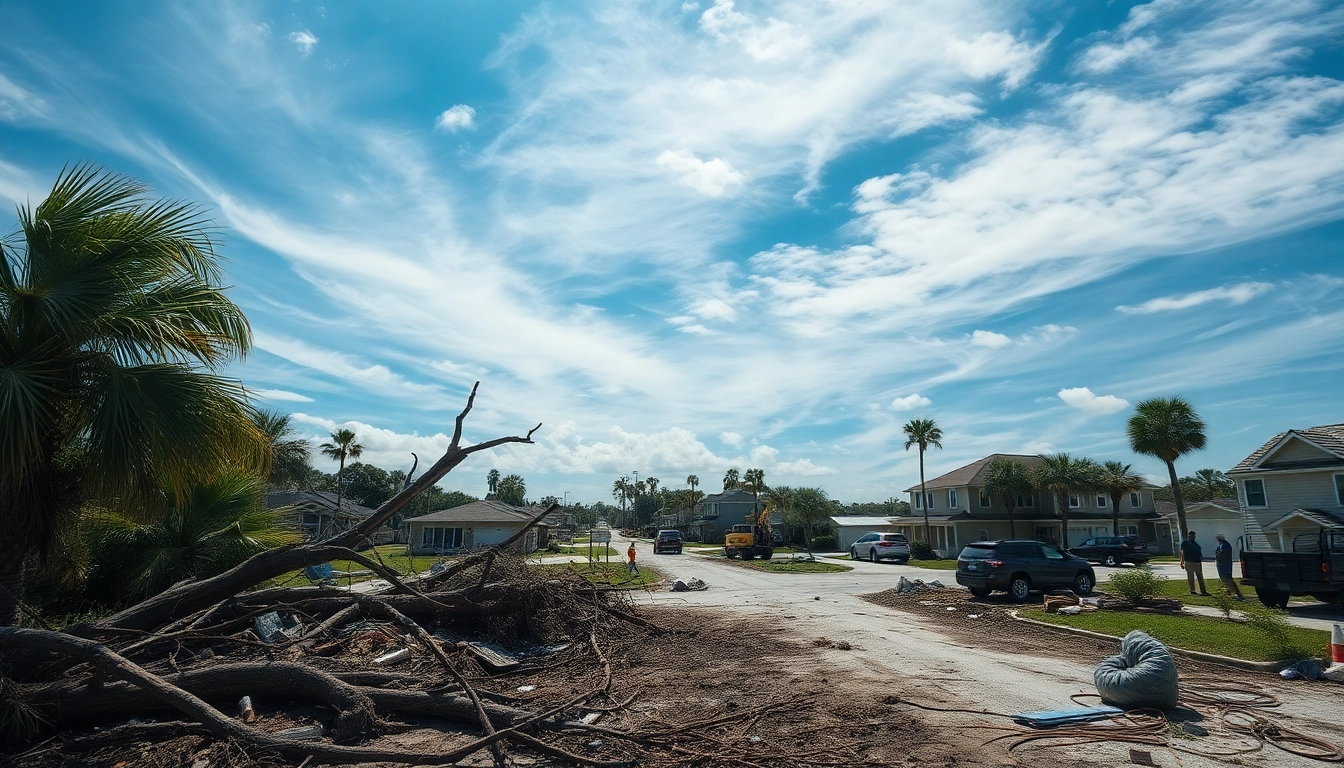
The damage caused by hurricanes in Florida is multifaceted, stemming from a combination of wind, water, and storm surge. High wind speeds can lead to catastrophic structural failures with roofs being blown off buildings, windows shattered, and trees uprooted. In addition to wind damage, heavy rainfall can result in severe flooding, damaging homes, infrastructure, and landscapes. Storm surge, the rise in sea level associated with a storm’s winds, can devastate coastal areas, eroding beaches and inundating low-lying regions.
Recent Hurricane Events and Their Impacts
Recent hurricanes, such as Hurricane Milton and Hurricane Helene, have left significant impacts on Florida. Hurricane Milton, considered one of the most catastrophic in recent history, made landfall and wreaked havoc with wind speeds reaching Category 3 levels. The storm caused widespread destruction amounting to billions in damages and necessitated massive response efforts. Hurricane Helene also demonstrated the colossal power of nature, causing significant fatalities and destruction. The effects of these storms are not just immediate; they can have long-term implications on local economies, environment, and community resilience.
Statistics on Florida Hurricane Damage
Statistics illustrate just how severe Florida hurricane damage can be. According to recent reports, Hurricane Milton alone caused an estimated $100 billion in total damages, marking it as one of the costliest storms in U.S. history. Additionally, when combined with losses in agriculture, which topped $2.5 billion in damage to crops and infrastructure, the scale of the destruction becomes apparent. Data suggests that Florida experiences an average of over 20 hurricanes every decade, with increasing frequency and intensity attributed to climate change. These figures underscore the importance of preparedness and recovery strategies.
Immediate Response to Florida Hurricane Damage
Emergency Services and Relief Efforts
In the aftermath of hurricanes, Florida’s emergency services play a crucial role in ensuring public safety and providing immediate relief. Various agencies coordinate to dispatch search and rescue teams, evaluate damages, and establish shelters for displaced residents. Coordination among local, state, and federal emergency services is vital, as seen in the effective management during Hurricane Milton. The importance of preparedness planning among these bodies ensures a swift and organized response, significantly aiding in recovery efforts.
Community Involvement in Recovery
The local community often rallies together during recovery periods, showcasing the resilience of the Florida spirit. Grassroots organizations and volunteers come together to assist in cleanup efforts, provide food and shelter, and offer emotional support to those impacted. Such community involvement is not merely supplemental but rather an integral component of the recovery process that can lead to faster rebuilding efforts and strengthened social ties.
Government Assistance Programs
The government also plays a significant role in recovery through various assistance programs designed to help victims of hurricane damage. The Federal Emergency Management Agency (FEMA) provides disaster relief funding, aiding affected families and individuals through grants and low-interest loans. Additional state-specific initiatives focus on rebuilding infrastructure and homes, allowing residents to recover more swiftly from natural disasters.
Long-term Recovery Strategies for Florida Hurricane Damage
Building Resilience in Affected Areas
Long-term resilience is increasingly prioritized in Florida, focusing on strategies that mitigate future damage from hurricanes. This involves implementing sustainable urban planning methods that consider flood zones and high-wind areas. Community engagement in resilience planning ensures a diverse range of opinions and needs are met, fostering unity and collective responsibility. Investments in enhancing seawalls, restoring wetlands, and improving drainage systems can significantly reduce future damage.
Reinforcements and Infrastructure Improvements
Investments in reinforcements and infrastructure improvements are critical for ensuring that communities can withstand future hurricanes. This includes reinforcing building codes that require structures to endure high winds and flooding. Improved construction practices using advanced materials and technologies enable Florida to better withstand the forces of nature. Community infrastructure such as roads, bridges, and public utilities requires ongoing upgrades to prevent severe disruptions during hurricanes.
Financial Planning for Future Incidents
Financial preparation for hurricanes involves both personal and communal strategies. Homeowners are encouraged to invest in appropriate insurance coverage that accounts for hurricane damage, as well as disaster recovery funds. On a community scale, municipalities should develop financial frameworks that allocate resources for immediate responses and long-term recovery, ensuring a sustainable pathway forward after disasters.
Preventative Measures Against Florida Hurricane Damage
Homeowner Preparedness Guides
Homeowners play a vital role in hurricane preparedness, and various guides provide structured approaches to safeguarding properties. These include creating an emergency plan, developing a disaster supply kit, and reinforcing homes to comply with updated building codes. Regular maintenance of properties, including clearing gutters and securing outdoor items, ensures resilience against high winds and flooding.
Community-Wide Hurricane Preparedness Initiatives
On a broader scale, community-wide initiatives foster collective readiness among residents. Workshops, drills, and outreach campaigns help educate citizens about the steps needed for effective preparedness. Local governments often partner with organizations to distribute materials, provide updates about evacuation routes, and encourage volunteerism during hurricanes. This method builds a culture of preparedness, ensuring that communities are not just reactive but proactive in facing hurricane threats.
Building Codes and Regulations Changes
As the understanding of hurricane threats evolves, so too must building codes and regulations. Changes aimed at increasing the safety and durability of structures address vulnerabilities exposed during past hurricanes. Strengthening requirements for storm-resistant construction and limiting development in flood-prone areas are critical for protecting Florida’s future. Regulatory changes need collaboration between builders, policymakers, and the community to implement effectively.
Case Studies: Learning from Past Florida Hurricane Damage
Analysis of Major Hurricanes and Outcomes
Analyzing major hurricanes provides essential insights into effective preparedness and response strategies. For instance, looking at Hurricane Andrew provides critical lessons in the importance of building codes, emergency response plans, and community resilience. The analysis shows that proactive measures can significantly diminish future risks and impacts, offering a blueprint for future practices.
Successful Recovery Stories
Through case studies of successful recovery, we can learn how communities have rebuilt stronger after hurricanes. Areas that embraced community collaboration, reinforced building codes, and sustainable development have emerged more resilient and economically vibrant. These success stories emphasize the power of grassroots initiatives and collective action post-hurricane, setting examples for other regions to follow.
Lessons Learned for Future Preparedness
The lessons learned from past hurricanes must inform future preparedness. Effective communication, community involvement, and infrastructural resilience emerge as crucial components for managing hurricane damage. Engaging with experts in meteorology, climate science, and urban planning can help shape responses that prioritize long-term safety and security. Continuous evaluation and adaptation of strategies ensure preparedness efforts stay relevant in a changing climate.
As Florida continues to face hurricane threats, understanding the complexities of Florida hurricane damage is vital. Through careful analysis, community involvement, and proactive strategies, the state can enhance its resilience against future hurricanes, safeguarding its residents, economy, and natural beauty for generations to come.