Introduction to LVP Flooring
What is LVP Flooring?
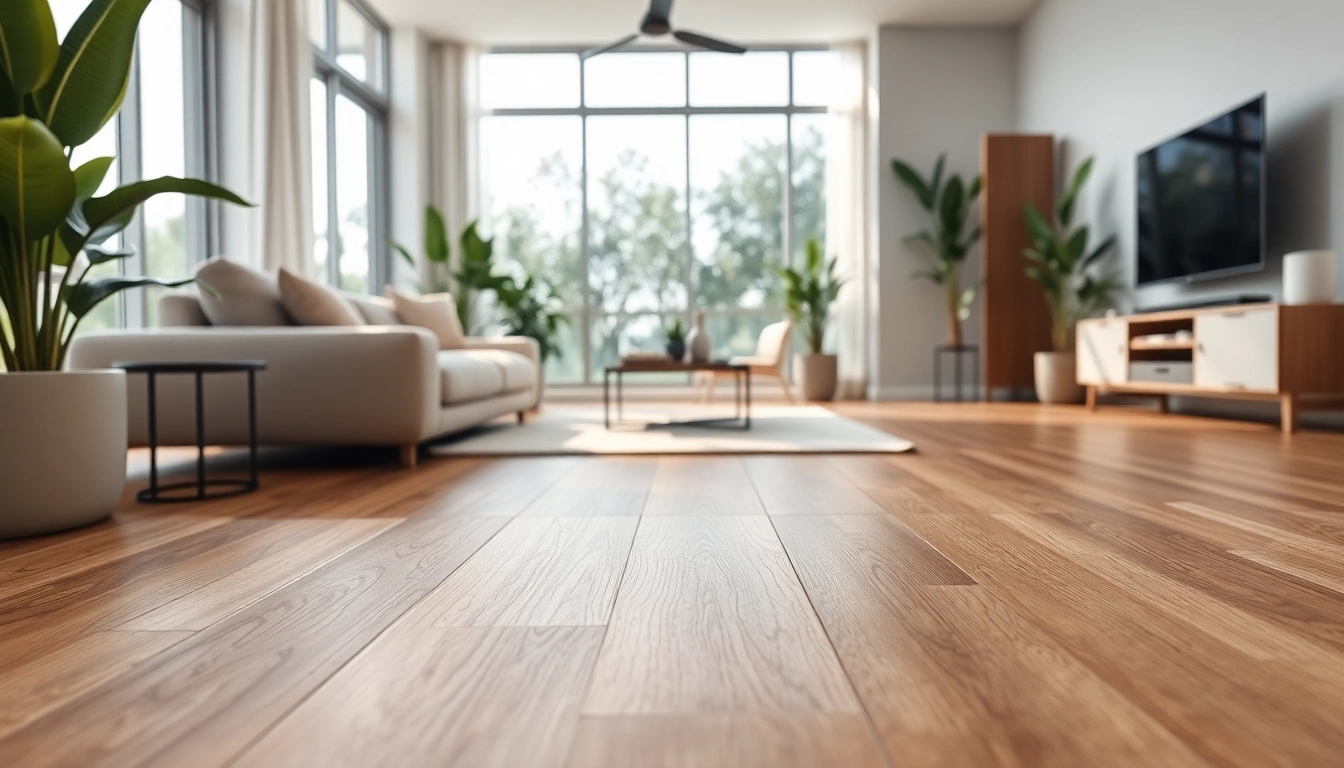
Luxury Vinyl Plank (LVP) flooring is a modern flooring solution designed to replicate the look and feel of natural hardwood while providing enhanced durability and performance. Made from a combination of polyvinyl chloride (PVC), a plastic polymer, and other materials, LVP flooring is versatile and suitable for a variety of spaces, including homes, offices, and commercial environments. It comes in planks that are easy to install and maintain, making it a popular choice among homeowners and designers alike. With options ranging from realistic wood textures to vibrant patterns, lvp flooring can provide a stylish and affordable upgrade to any space.
Benefits of Choosing LVP Flooring
LVP flooring offers numerous advantages that make it an attractive choice for many homeowners. Some key benefits include:
- Durability: LVP is resistant to scratches, stains, and scuffs, making it ideal for high-traffic areas.
- Water Resistance: Many LVP products are waterproof, making them suitable for bathrooms, kitchens, and basements.
- Easy Maintenance: Cleaning LVP flooring is a breeze; regular sweeping and occasional mopping are usually sufficient to keep it looking new.
- Comfort and Warmth: LVP provides a soft surface underfoot compared to tile or stone flooring, and many consumers appreciate its warmth, especially in colder climates.
- Cost-Effectiveness: LVP generally costs less than natural hardwood while providing a similar aesthetic, making it a budget-friendly option.
LVP Flooring vs. Traditional Flooring Options
When comparing LVP flooring to traditional flooring options like hardwood, laminate, tile, or carpet, several aspects come into play:
- Installation: LVP is typically easier to install than hardwood or tile, which often require more specialized skills and tools.
- Aesthetics: While hardwood boasts timeless beauty, LVP can mimic a range of styles and finishes from different wood species, allowing for greater design flexibility.
- Cost: LVP usually comes at a lower price point than solid hardwood, making it more accessible to a wider audience.
- Maintenance: Unlike hardwood, which requires refinishing and protective treatments, LVP merely needs regular cleaning, adding to its appeal for busy homeowners.
Design Possibilities with LVP Flooring
Popular Styles and Patterns of LVP Flooring
One of the standout features of lvp flooring is its design versatility. Homeowners can choose from a variety of styles and finishes, including:
- Wood-Look Planks: Mimicking the grains and natural characteristics of wood, these planks can offer everything from rustic charm to sleek contemporary lines.
- Stone-Look Tiles: With textures and finishes that resemble natural stone, LVP can provide the elegance of ceramic or granite without the cold feeling underfoot.
- Patterned or Colored Options: For those looking to make a bold statement, LVP flooring is available in unique patterns, hues, and designs that can transform any room into a work of art.
How to Choose the Right LVP Flooring Color
Selecting the ideal color for your LVP flooring is crucial in setting the tone for your space. Consider the following tips to make an informed decision:
- Room Size: Lighter colors can make a small room feel larger, while darker hues can add intimacy to expansive spaces.
- Existing Furnishings: Evaluate your furniture and decor to select a complementary flooring color that harmonizes with the overall theme.
- Lighting: Examine how natural and artificial light interacts with the color; some shades may change tones based on light conditions.
Incorporating LVP Flooring into Different Rooms
LVP flooring is suitable for numerous rooms in the home, offering flexibility and durability when integrated thoughtfully:
- Living Rooms: Create a warm and welcoming environment by choosing wood-look LVP that matches your décor style.
- Kitchens: Opt for water-resistant LVP that can withstand spills and high traffic, providing both durability and style.
- Bathrooms: Waterproof LVP can evoke luxury while resisting moisture and humidity, making it perfect for these spaces.
- Basements: Installing LVP in basements can eliminate concerns about dampness while providing a cozy, inviting atmosphere.
Installation Guide for LVP Flooring
Preparing Your Space for LVP Flooring Installation
Before you begin the installation of lvp flooring, follow these steps to prepare your space:
- Clear the Area: Remove all furniture and existing flooring, including baseboards and transition pieces.
- Check Subfloor Condition: Ensure the subfloor is clean, dry, and level to avoid installation issues.
- Acclimate the Planks: Allow the LVP planks to sit in the room for at least 48 hours, letting them adjust to the ambient temperature and humidity.
DIY vs. Professional Installation of LVP Flooring
When deciding between DIY and professional installation, consider factors such as:
- Experience: If you have prior flooring experience, a DIY approach can save money. For those less experienced, hiring a professional may yield better results.
- Time: DIY projects can be time-consuming; if you need the flooring done quickly, professionals can often work more efficiently.
- Tools: Ensure you have the necessary tools for installation; professional services often come equipped with everything needed for a seamless job.
Tools Needed for Installing LVP Flooring
Equipping yourself with the proper tools can make the installation process straightforward. Some essential tools include:
- Measuring tape
- Utility knife
- Spacers
- Hammer or tapping block
- Level
- Mallet
Maintaining Your LVP Flooring
Best Practices for Cleaning LVP Flooring
To keep your lvp flooring looking pristine, adopt these cleaning practices:
- Sweep or vacuum regularly to remove dust and debris that can scratch the surface.
- Mop with a damp cloth or a mop using a pH-neutral cleaner specifically designed for LVP.
- Wipe up spills immediately to avoid staining or damaging the surface.
Regular Maintenance Tips for Longevity
Ensuring the longevity of your flooring involves more than just cleaning:
- Use felt pads under furniture to prevent scratches.
- Avoid using harsh chemicals, waxes, or abrasive cleaning tools, which can damage the finish.
- Keep the indoor humidity levels between 30-50% to prevent warping or buckling.
Avoiding Common LVP Flooring Mistakes
To protect your investment and ensure your LVP flooring lasts, avoid these common pitfalls:
- Neglecting acclimation can lead to expansion or contraction.
- Placing LVP in excessively damp areas without proper sealing can cause issues.
- Using too much water during cleaning can create problems; always opt for a damp cloth over soaking.
Frequently Asked Questions (FAQs) About LVP Flooring
Is LVP Flooring Waterproof?
Yes, many LVP flooring products are waterproof, making them suitable for areas prone to moisture like bathrooms and kitchens.
How Long Does LVP Flooring Last?
With proper care, LVP flooring can last between 15 to 25 years, depending on the quality of the product and maintenance.
Can LVP Flooring be Installed Over Existing Floors?
Yes, LVP can often be installed over existing floors, but it’s essential to ensure the surface is level and clean for optimal installation.
What is the Cost of LVP Flooring?
The cost of LVP flooring can vary greatly based on brand, style, and installation; generally, it ranges from $2 to $7 per square foot.
How Do I Remove Stains from LVP Flooring?
For stain removal, use a soft cloth with a mild detergent or a specialized LVP cleaner. Avoid abrasive materials that could scratch.