Understanding Vapor Barrier Installation
What is a Vapor Barrier?
A vapor barrier is a material designed to prevent moisture from passing through walls, ceilings, and floors. Typically made from polyethylene plastic, vinyl, or foil, these barriers become critical in areas like basements and crawl spaces where humidity levels can significantly impact structural integrity. The primary goal of a vapor barrier is to reduce the infiltration of water vapor from the ground or outside air into living spaces, ensuring a dry environment for both health and comfort.
Importance of Vapor Barrier Installation
Installing a vapor barrier is crucial for maintaining your home’s structural integrity and energy efficiency. Excess moisture buildup can lead to mold growth, wood rot, and decreased air quality, contributing to various health problems. Proper Vapor Barrier Installation protects insulation, prolongs the life of building materials, and enhances energy efficiency by minimizing the need for heating and cooling systems to combat moisture-related issues.
Common Materials Used in Vapor Barriers
The choice of material for vapor barriers depends on the specific environment and requirements. Common materials include:
- Polyethylene Plastic: This is the most popular choice, available in various thicknesses. A thicker polyethylene is often recommended for higher durability.
- Foil: Reflective foil vapor barriers can be effective in hot climates due to their thermal resistance.
- Vinyl: This material is lightweight and easy to install but may not provide the same level of durability as polyethylene.
- Rubberized Membranes: Highly resistant to puncture and tearing, these barriers are ideal for harsh environments.
Preparing for Vapor Barrier Installation
Assessing Your Crawl Space
Before installation, a thorough assessment of your crawl space is necessary. Check for existing moisture levels, observe any signs of water intrusion, and ensure adequate ventilation. Inspect the soil and surrounding landscape for proper grading, directing water away from the foundation to minimize moisture issues. An assessment will guide your preparation and aid in selecting the right barrier for your environment.
Gathering Necessary Tools and Equipment
Equipping yourself with the right tools is essential for a successful installation. Here’s a checklist of necessary items:
- Vapor barrier material (preferably at least 6-mil polyethylene)
- Utility knife or scissors for cutting
- Measuring tape for accurate measurements
- Staple gun for secure placement
- Adhesive tape for sealing seams
- Gloves and safety goggles to protect yourself during installation
Identifying Potential Challenges
Preparing for potential challenges will streamline your installation process. Some common challenges include:
- Uneven ground that may require leveling before the installation can begin.
- Pre-existing insulation that may obstruct placement and needs to be removed or adjusted.
- Moisture already present in the crawl space that must be addressed prior to installation.
By identifying these challenges ahead of time, you can plan for appropriate solutions, ensuring a smooth installation.
Step-by-Step Process of Vapor Barrier Installation
Removing Existing Barriers
If a previous vapor barrier exists, it needs to be removed before installing the new one. Carefully peel back any loose edges, ensuring a clean and dry surface underneath. Use a utility knife to cut the old barrier into manageable pieces for easy disposal. Thoroughly clean the area, removing debris and dust, as any remnants may affect the adhesion of the new barrier.
Installing the Vapor Barrier
With the area prepared, you can begin installing the vapor barrier. Follow these steps:
- Measure and cut the vapor barrier to fit the dimensions of your crawl space, ensuring a generous overlap where seams will occur.
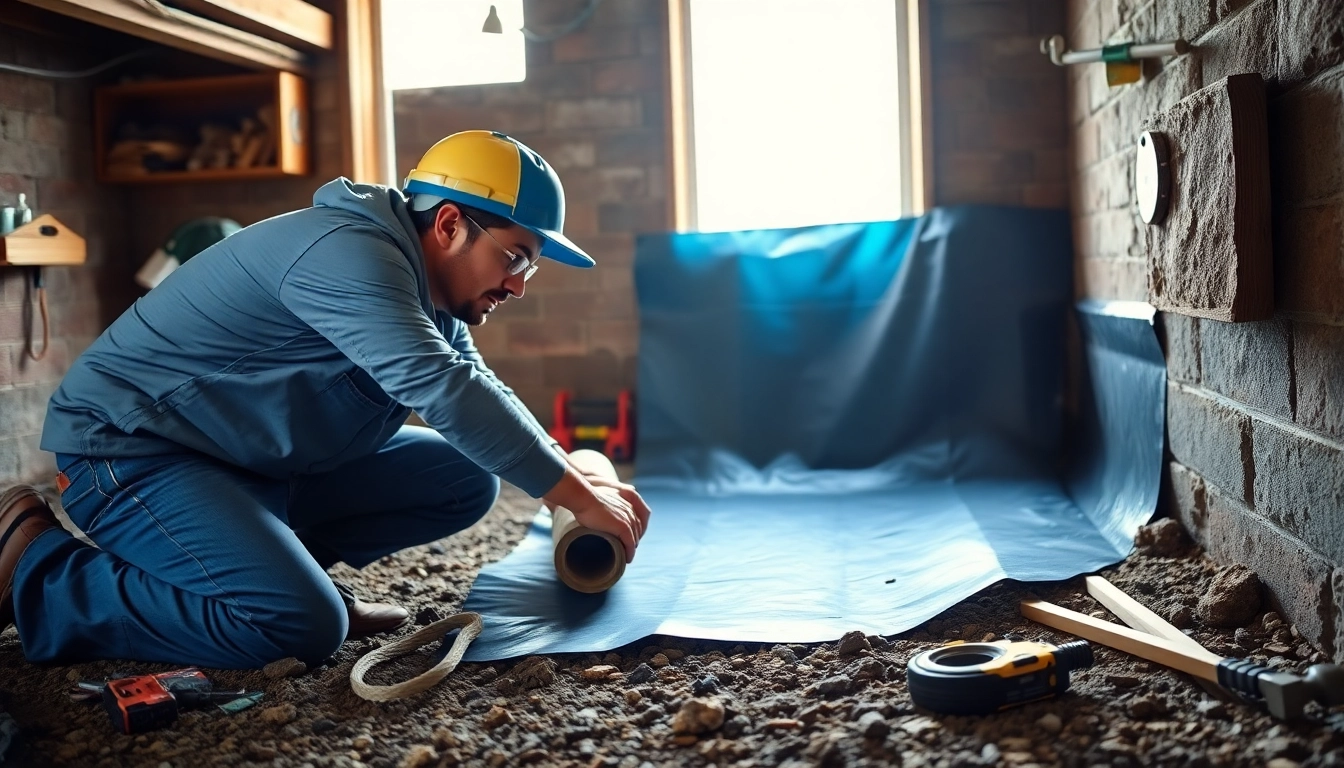
- Lay the barrier flat on the ground, making sure it stretches across the entire area without wrinkles or folds.
- If necessary, use adhesive or staples to secure the barrier to beams or walls, ensuring it stays in place during the sealing process.
Sealing and Securing the Edges
Once the vapor barrier is laid out, it’s crucial to secure the edges. Here’s how to do it effectively:
- Use adhesive tape to seal the seams where multiple sheets overlap, ensuring complete protection against moisture leaks.
- For added security, staple the edges of the vapor barrier into the wooden framing or walls. This reduces movement over time.
- Reinspect the area to confirm there are no gaps or spaces where moisture can seep in.
Maintaining Your Vapor Barrier
Regular Inspections and Maintenance Tips
Once your vapor barrier is installed, regular inspections should be part of your home maintenance routine. Aim for at least twice a year. Look for signs of wear and tear, such as tears, holes, or moisture build-up on the barrier itself. Keep the crawl space well-ventilated to avoid condensation, which can compromise the integrity of the barrier.
Signs of Potential Issues
Being vigilant about potential issues will prevent costly repairs down the line. Watch for:
- Persistent dampness or water pooling near the barrier.
- Mold or mildew growth on walls or the barrier itself, indicating excess moisture.
- Unpleasant odors, which may signal trapped moisture.
When to Replace Your Vapor Barrier
A vapor barrier may not last indefinitely. Consider replacement if you notice:
- Significant damage such as large tears or punctures.
- Evidence of moisture ingress or mold growth even after repairs.
- Age; older barriers may not work effectively, particularly those over ten years old.
Frequently Asked Questions about Vapor Barrier Installation
What is a vapor barrier used for?
A vapor barrier is used to prevent moisture from passing through walls, floors, and ceilings, reducing the risk of mold, rot, and air quality issues.
How often should I check my vapor barrier?
It’s recommended to check your vapor barrier at least twice a year, more often if you experience high humidity or flooding.
Can I install a vapor barrier myself?
Yes, with the right tools and preparation, homeowners can install a vapor barrier independently—just ensure you follow all steps meticulously.
What materials are best for a vapor barrier?
The best materials include polyethylene plastic (preferred for durability) and reflective foil; choose based on environmental needs.
How does a vapor barrier improve my home’s efficiency?
By preventing moisture infiltration, a vapor barrier enhances insulation effectiveness, reducing heating and cooling costs and improving overall energy efficiency.