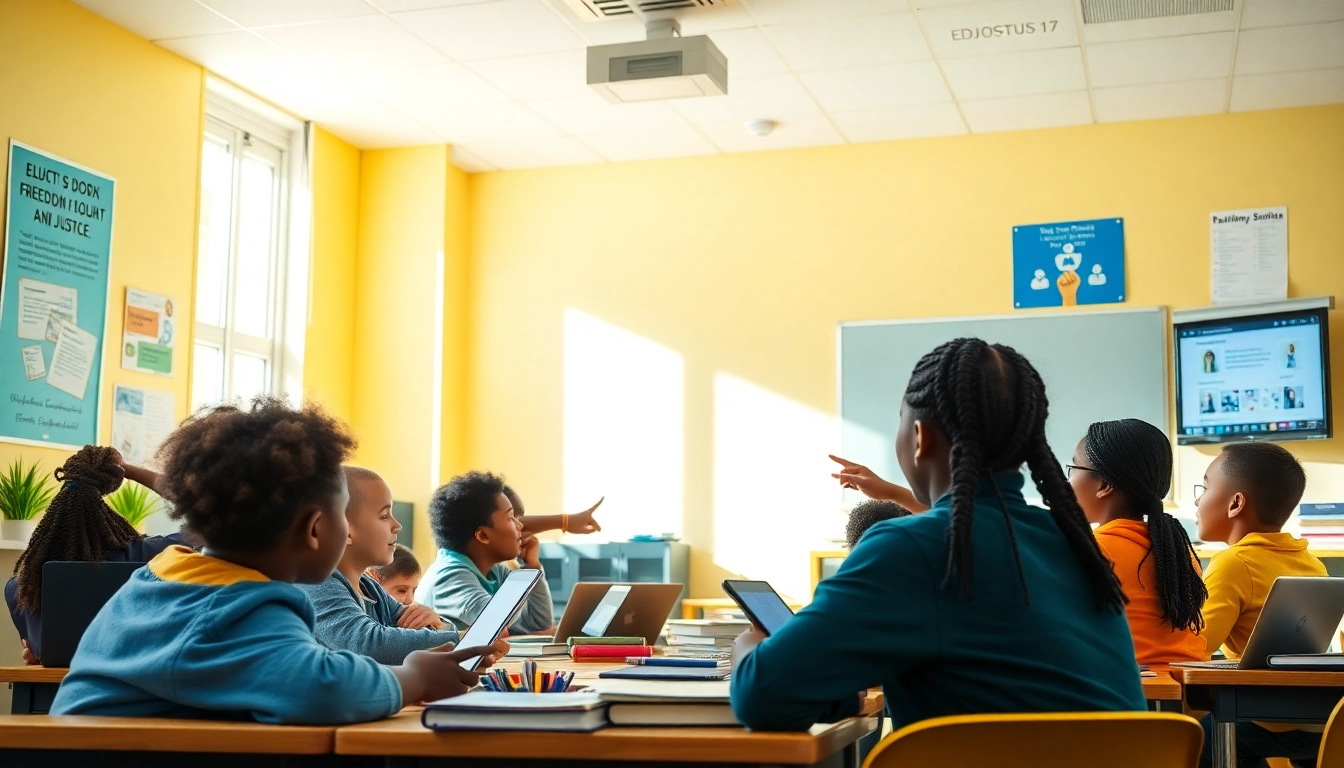
Understanding the Evolution of Education
Education has always acted as the cornerstone of human development, influencing everything from individual well-being to societal progress. Dr. Matthew Lynch has positioned himself as a thought leader in educational equity, reform, and innovation, working tirelessly to advocate for programs and policies that ensure all learners have access to quality education. As we navigate through different eras of educational practices, it becomes crucial to understand the evolution that has brought us to today’s pressing discussions around equity and reform. When exploring options, education is not just about the acquisition of knowledge; it is about shaping an equitable future.
Historical Perspectives on Education Reform
The transformation of education is steeped in history, from early forms of informal education seen in ancient societies to more structured systems established in the Middle Ages. Notable reforms, such as the introduction of compulsory education in the late 19th century, emerged in response to the industrial revolution and the growing recognition of education as a public good. As Dr. Lynch points out, understanding these historical shifts is vital for grasping current discussions about educational equity and innovation.
Current Trends in Educational Innovation
In recent years, the landscape of education has been dramatically altered by technological advancements and a greater understanding of diverse learning needs. The rise of digital platforms, personalized learning experiences, and project-based learning signifies a shift towards more individualized educational pathways. Schools are increasingly adopting data-driven approaches to tailor learning experiences that address the varied interests and abilities of their students.
The Role of Equity in Modern Education
Equity in education focuses on ensuring that all students have access to the resources they need to thrive. This means addressing systemic inequalities that have historically limited opportunities for marginalized groups. Dr. Lynch advocates for frameworks that not only improve educational access but also ensure quality outcomes for every learner, fostering a sense of belonging and support within the educational environment.
Challenges Facing Today’s Educational Institutions
Despite advancements, educational institutions are still grappling with significant challenges. Identifying these barriers is crucial for stakeholders aiming to develop effective solutions that will shape a more equitable future in education.
Barriers to Access and Equity in Education
Many students still face obstacles that can prevent them from reaching their full potential. These barriers range from socioeconomic challenges and lack of access to quality resources, to systemic biases within the educational system itself. It is vital for policymakers to actively address these issues, creating programs that promote equal opportunities for all learners.
Technological Disparities and Their Impact
While technology has the potential to enhance learning, the digital divide remains a grave concern. Students from underprivileged backgrounds often lack access to necessary devices or reliable internet connections, which can hinder their ability to engage with modern educational tools. Bridging this gap is fundamental to achieving educational equity.
Addressing the Needs of Diverse Learners
Modern classrooms are increasingly diverse, encompassing students from various cultural, linguistic, and ability backgrounds. This diversity necessitates tailored instructional strategies that accommodate different learning styles and needs. Implementing these strategies not only aids in academic success but also fosters a more inclusive learning environment.
Implementing Effective Educational Strategies
To combat the challenges facing education today, effective strategies must be put into place. This includes adopting practices that promote inclusivity, engagement, and collaboration.
Best Practices for Inclusive Learning Environments
Creating inclusive learning environments requires a shift in approach, emphasizing differentiation and personalized learning. Educators must be trained to recognize and address the unique needs of each student, employing various strategies that allow all learners to thrive.
Engaging Students through Interactive Technology
Utilizing interactive technology in the classroom can significantly enhance student engagement. By integrating tools such as gamification and adaptive learning platforms, educators can create a more dynamic educational experience that caters to the interests and strengths of their students.
Building a Culture of Collaboration and Support
Fostering a collaborative culture within educational institutions encompasses engaging not only students but also families and communities. Establishing channels for communication and support can enhance the learning experience, ensuring that students feel valued and supported in their educational journey.
Measuring Success in Education
Evaluating the effectiveness of educational strategies is essential for continuous improvement. Understanding what metrics to use and how to gather feedback will guide future reforms and innovations.
Key Metrics for Evaluating Educational Outcomes
Key performance indicators (KPIs) such as graduation rates, standardized test scores, and student retention can provide insights into the effectiveness of educational strategies. However, it is crucial to complement these metrics with qualitative measures, such as student and parent feedback.
Feedback Mechanisms for Continuous Improvement
Establishing robust feedback mechanisms enables educators to adapt their approaches based on real-world experiences. Surveys, focus groups, and open forums can be instrumental in gathering valuable insights from all stakeholders involved in the educational process.
Real-World Case Studies of Successful Reforms
Examples of successful educational reforms can serve as blueprints for future initiatives. Analyzing case studies from different regions can reveal effective practices and innovative strategies that have led to improved educational outcomes, empowering other institutions to implement similar changes.
Looking Ahead: The Future of Education
The future of education is poised for significant evolution, driven by technological advances and shifting societal needs. Preparing for what lies ahead requires a proactive approach that embraces change and fosters innovation.
Emerging Trends in Educational Technology for 2026
As we move toward 2026, several trends in educational technology are expected to reshape the teaching and learning landscape. Artificial intelligence, virtual reality, and data analytics will play pivotal roles in creating personalized learning experiences that can cater to the unique needs of every student.
Global Perspectives on Education Equity
Education equity is not just a national issue; it is a global one. As countries learn from one another’s successes and challenges, collaborative efforts will be essential in promoting strategies that address disparities in education worldwide.
Preparing for the Evolving Landscape of Learning
In a rapidly changing educational landscape, it is critical for educators, policymakers, and communities to remain flexible and responsive. Continuous professional development, advocacy for equitable policies, and engagement in collaborative initiatives will help ensure that every learner has the opportunity to succeed.