Introduction to the Largest City in the World by Area
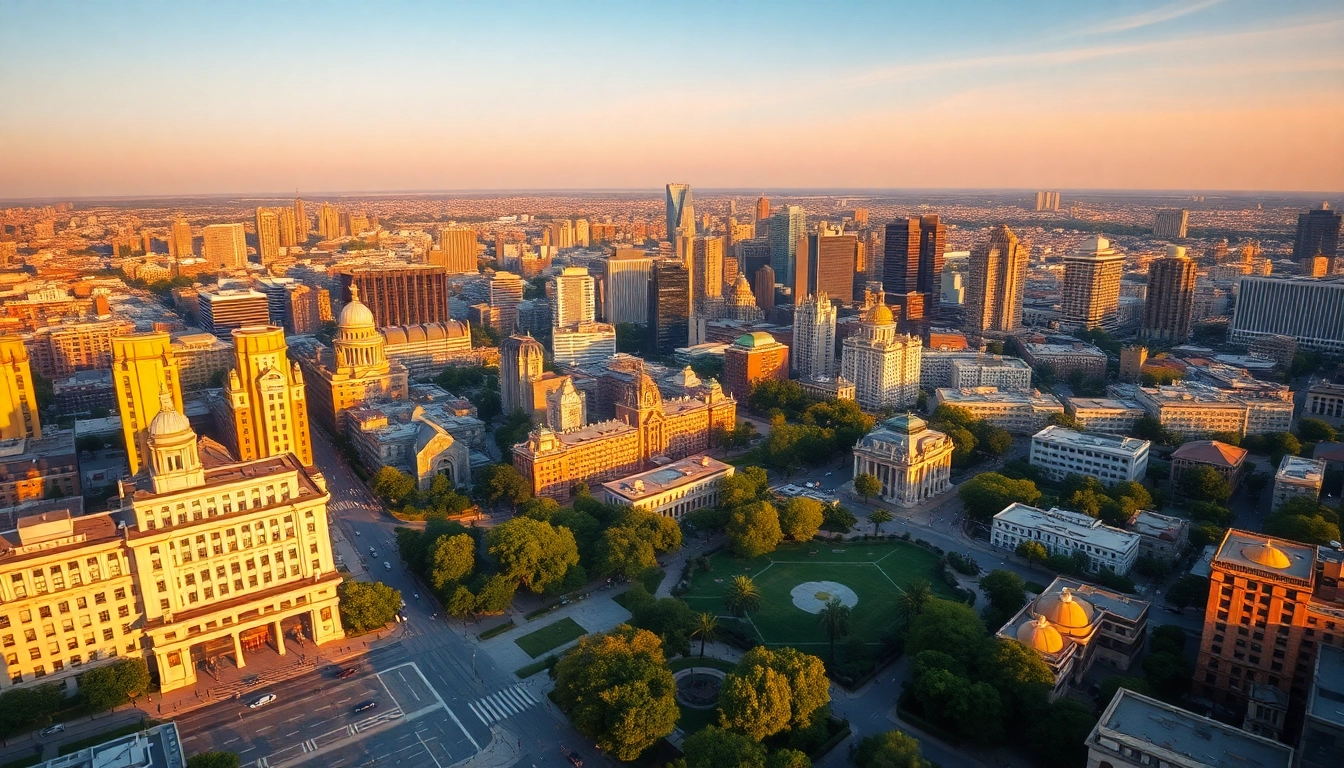
When we talk about city size, a common metric that comes to mind is population. However, city size can also be measured by area, leading us to a fascinating question: which is the largest city in the world by area? Measuring the area of a city reveals how land is utilized and the vastness of its urban footprint. This article explores the intricacies of city size by area, shedding light on geographical definitions, historical context, cultural demographics, challenges, and future developments associated with the largest city on record.
Defining City Size
Defining city size can be complex given the various parameters at play. While many equate a city’s significance with its population, area presents another dimension. The area of a city refers to the total land that falls within its administrative boundaries, including parks, waterways, and even uninhabited regions. It’s essential to clarify that this measurement does not account for the population density or urban design, which can profoundly affect a city’s livability and infrastructure.
Measurement Criteria for Largest Cities
Determining the largest city by area requires standardized measurement criteria. Primarily, cities are assessed based on their administrative limits, rather than inclusions of metropolitan regions or suburban zones. There are two common methods for measuring city area:
- Administrative Boundaries: This metric includes all land within the official limits of the city government, which can result in variations due to how cities define their borders.
- Urbanized Area: This approach focuses on the densely populated and developed areas, sometimes extending beyond administrative borders to reflect the true urban sprawl.
Geographical Context of the Largest Cities
Understanding geographical context is essential when assessing the world’s largest cities by area. Cities are influenced by natural landscapes, which can determine their growth and layout. For instance, cities located on plains or near coastlines often expand horizontally, while those nestled in mountainous or rugged terrains may grow vertically or be more constrained in size. Moreover, historical settlement patterns, climate, and economic factors interplay significantly in shaping a city’s geographic footprint.
Historical Context of the Largest City in the World by Area
Evolution Over Time
History has played a crucial role in defining the current boundaries of the largest city in the world by area. Over centuries, cities have evolved due to migration, commerce, and social changes, leading to expansions that often occurred through annexation of surrounding lands. For instance, a city that was once small may have absorbed neighboring towns or districts, contributing to its area measurement.
Factors Contributing to Growth
Several factors contribute to the growth of cities by area. Economic opportunities, improved transportation networks, and urban policies can significantly influence how cities expand. Some cities grow organically, while others adopt strategic growth plans, considering land use, zoning laws, and environmental sustainability.
Political and Administrative Changes
Political changes frequently impact a city’s administrative boundaries. Mergers, consolidations, and de-annexations can lead to fluctuations in size measurement. These adjustments often reflect broader social and economic trends, such as urban sprawl and the movement of populations toward suburban areas.
Demographics and Culture of the Largest City
Population Density and Diversity
The largest city in the world by area often hosts a diverse population. While its vast expanse may lead to lower population density compared to smaller cities, the diversity of its residents can be remarkable. Various cultural communities coexist, contributing to a rich social fabric. Education, employment opportunities, and immigration patterns significantly influence these dynamics.
Cultural Influence and Attractions
Cultural attractions are vital elements of any large city, enhancing its identity and drawing visitors from around the globe. Museums, parks, festivals, and culinary offerings all contribute to a city’s charm. The largest city in the world by area may house notable landmarks and cultural sites, reflecting the historical and contemporary influences that shape its character.
Language and Community Engagement
Language diversity within the largest cities often mirrors their multicultural nature. Engaging different communities through festivals, art exhibitions, and forums helps foster social cohesion. Understanding various languages also opens doors to better public service communication, promoting inclusivity and participation in the city’s governance.
Challenges Faced by the Largest City in the World by Area
Urban Sprawl and Infrastructure
One of the most pressing challenges faced by the largest city in the world by area is urban sprawl. As cities expand, infrastructure development struggles to keep pace. Transportation networks, housing, and public services can become strained, leading to congestion and reduced quality of life. Sustainable urban planning is crucial to addressing these issues and creating efficient and resilient infrastructures.
Environmental Issues and Sustainability
Environmental sustainability is another critical concern for large urban areas. As cities expand, they can significantly impact local ecosystems. Efforts to implement green spaces, promote public transportation, and reduce carbon footprints are essential for maintaining environmental health. Strategies such as urban forestry and sustainable building practices can help mitigate environmental challenges.
Social and Economic Disparities
Large cities often experience significant social and economic disparities, with stark contrasts between affluent neighborhoods and underserved areas. Policies aimed at equitable distribution of resources, access to education, and economic opportunities are essential for fostering social inclusion and reducing disparities. Community-driven initiatives can empower residents and create more harmonious urban environments.
Looking Ahead: Future of the Largest City in the World by Area
Urban Planning and Development Strategies
The future of the largest city in the world by area relies heavily on the implementation of effective urban planning and development strategies. Comprehensive planning that integrates land use, transportation, and community services will be vital for accommodating growth while ensuring livability. Long-term visions should prioritize sustainable practices that address environmental concerns and promote social equity.
Technology and Smart City Initiatives
Smart city initiatives present an innovative approach to tackling urban challenges. By leveraging technology, cities can improve service delivery, enhance transportation systems, and promote sustainability. Data-driven solutions can foster more efficient resource management and increase citizen engagement through real-time communication and feedback mechanisms.
Predictions and Trends
Looking ahead, predictions about the largest cities by area suggest continued growth amid evolving societal needs. Trends may indicate a shift towards increased sustainability and eco-friendly practices as climate change becomes a central concern. The integration of technology will likely redefine urban living, targeting improved quality of life for residents.
FAQs About the Largest City in the World by Area
What city is currently the largest by area?
The largest city in the world by area is often cited as Hulunbuir in Inner Mongolia, China, known for its vast land coverage which includes both urban and rural areas.
How is city area measured?
City area is commonly measured using administrative boundaries or by the urbanized area, which reflects the actual developed regions within and surrounding the city.
What are the challenges of urban sprawl?
Urban sprawl can lead to traffic congestion, stretched infrastructure, and challenges in providing equitable public services, affecting overall quality of life.
How does culture influence city size?
Cultural diversity contributes to city size by attracting various communities, leading to expanded demographics, increased population, and vast cultural attractions.
What are smart city initiatives?
Smart city initiatives leverage technology to enhance urban services, improve infrastructure, and promote sustainable living, aiming to create more efficient and livable urban spaces.